
A Complete Guide to Landscaping Architecture for Residential Homes


Understanding Landscaping Architecture
Landscaping architecture is more than just arranging plants and outdoor features. It’s about creating a functional and aesthetically pleasing environment that complements your home’s architecture. This discipline combines art, science, and the environment to enhance outdoor spaces.
With the right approach, residential landscaping can significantly increase property value and improve quality of life. From selecting the appropriate plants to designing walkways and water features, every element plays a crucial role.
Planning Your Landscape Design
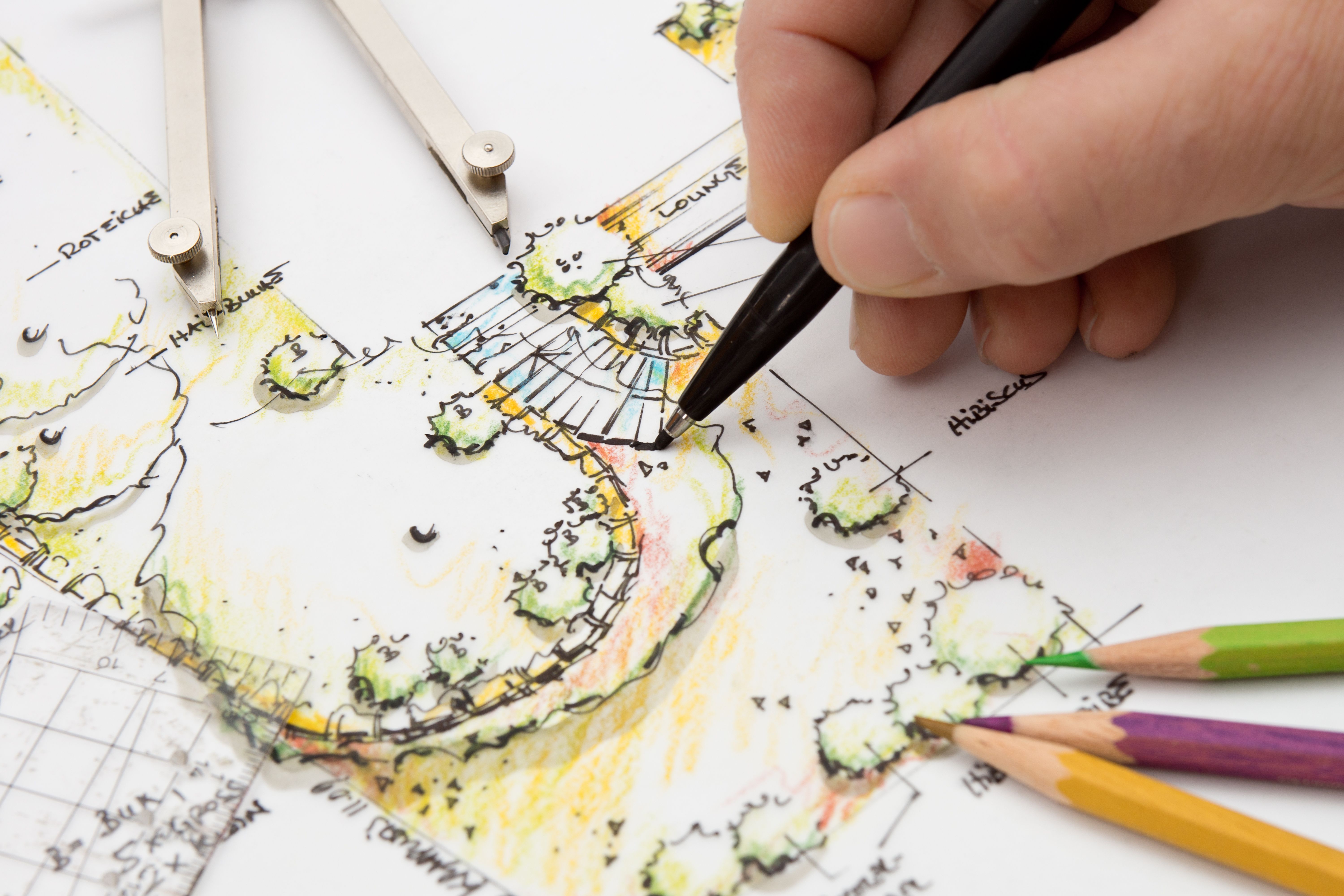
Before diving into the physical work, planning is essential. Start by assessing your outdoor space and identifying your needs and preferences. Consider how you want to use your outdoor area. Do you need a play area for kids, a garden, or a space for entertaining guests?
Once you have a clear idea, create a detailed plan that includes measurements, design sketches, and a list of materials. This plan will serve as a roadmap throughout the project, ensuring that every detail aligns with your vision.
Choosing the Right Plants
When selecting plants, consider the climate, soil type, and sun exposure of your area. Opt for native plants that thrive in your local environment as they require less maintenance and are more sustainable.
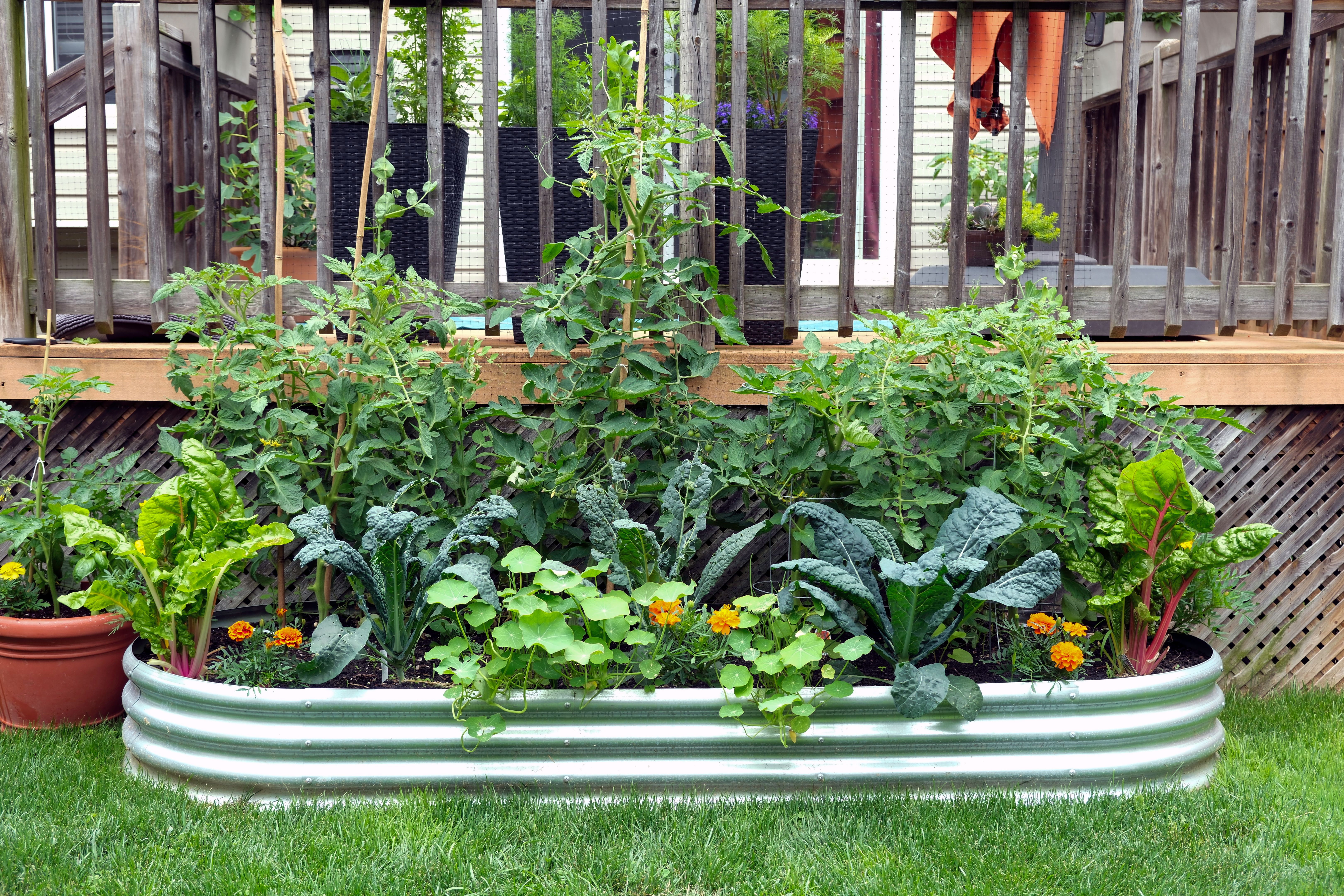
Incorporate a mix of trees, shrubs, and flowers to create layers and add depth to your landscape. Seasonal plants can also provide year-round interest by ensuring that something is always in bloom.
Incorporating Hardscape Elements
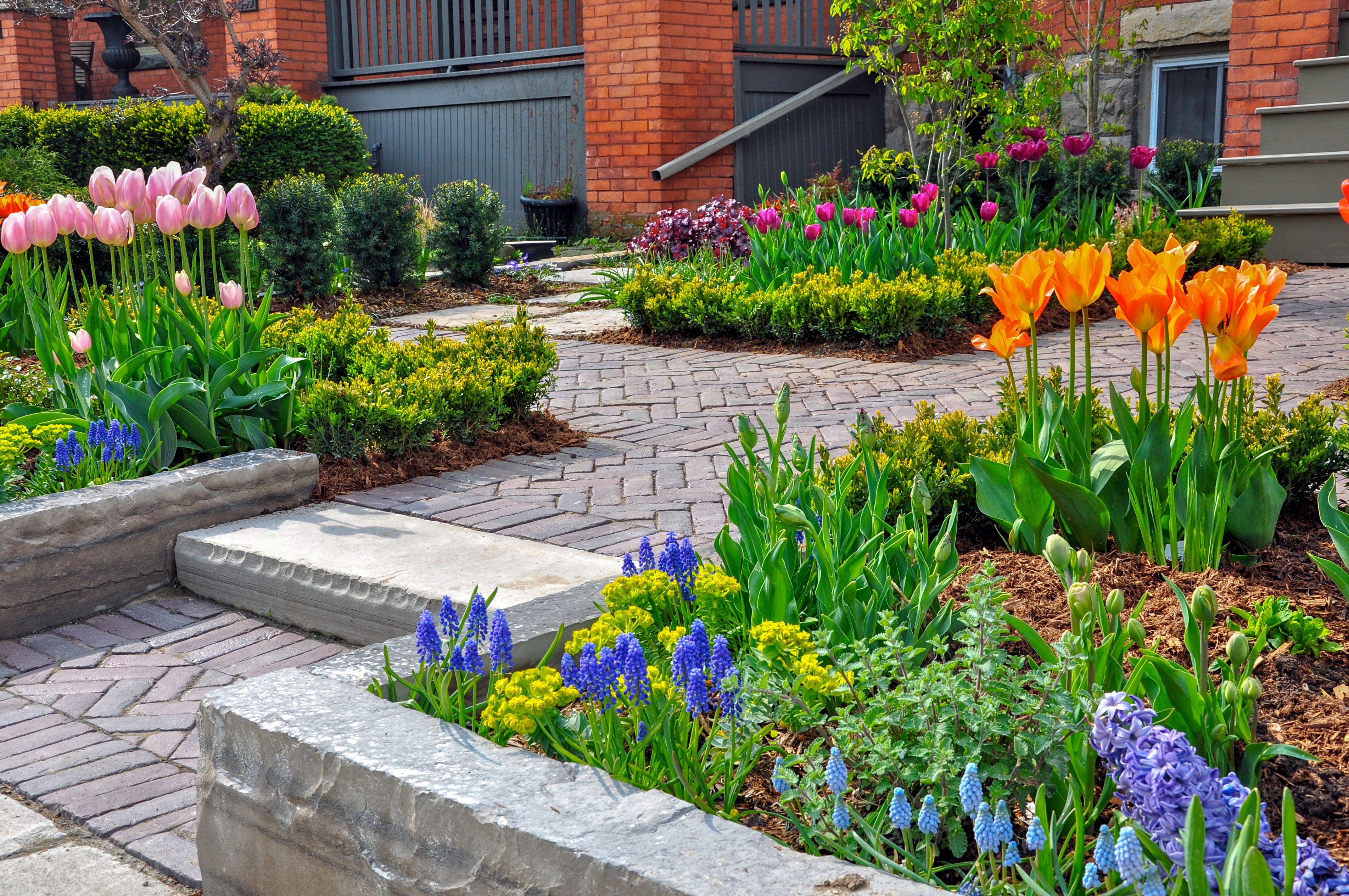
Hardscape elements like patios, walkways, and retaining walls are essential components of landscape architecture. They provide structure and define different areas within your outdoor space.
Choose materials that complement the style of your home and the natural surroundings. Stone, brick, and wood are popular choices that offer durability and aesthetic appeal.
Water Features and Lighting
Adding water features such as fountains or small ponds can create a tranquil atmosphere and attract wildlife to your garden. Consider the size and location carefully to ensure they fit seamlessly into your design.
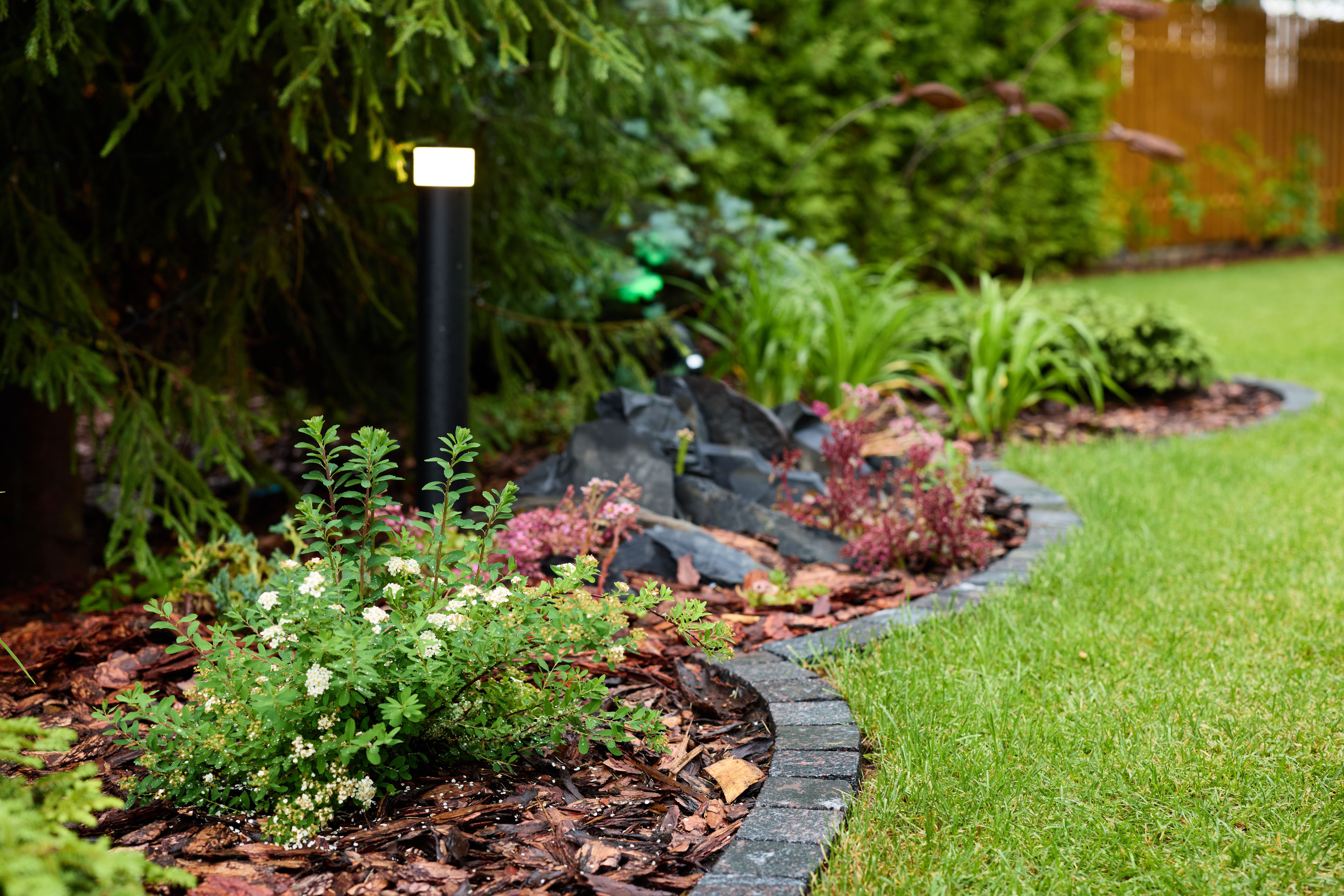
Lighting is another crucial element that enhances safety and ambiance. Use a combination of path lights, spotlights, and accent lights to highlight key features and create a welcoming environment after dark.
Maintaining Your Landscape
Regular maintenance is vital to keep your landscape looking its best. This includes watering, pruning, weeding, and fertilizing. Set up a maintenance schedule to ensure every aspect is properly cared for.
Consider hiring a professional landscaping service if you have a large or complex landscape. They can provide expert care and advice tailored to your specific needs.
By following these guidelines, you can transform your outdoor space into a beautiful and functional extension of your home. Whether you take on the project yourself or hire a professional, the result will be a landscape that enhances your lifestyle and adds value to your property.