
Comprehensive Guide to Retaining Walls for Residential Properties


Understanding Retaining Walls
Retaining walls are essential structures for many residential properties, providing both functional and aesthetic benefits. They are primarily used to hold back soil and prevent erosion, but they also play a crucial role in landscaping design. Homeowners often use retaining walls to create terraces, enhance garden spaces, and improve property value.
The decision to install a retaining wall involves understanding different materials, designs, and construction techniques. Each option offers unique advantages, making it important to choose the one that best suits your needs.
Types of Retaining Walls
There are several types of retaining walls, each serving different purposes and aesthetic preferences. The most common types include:
- Gravity Walls: These rely on their weight to hold back soil and are typically made from heavy materials like concrete or stone.
- Reinforced Walls: Utilizing steel reinforcements, these walls provide additional strength and are ideal for taller structures.
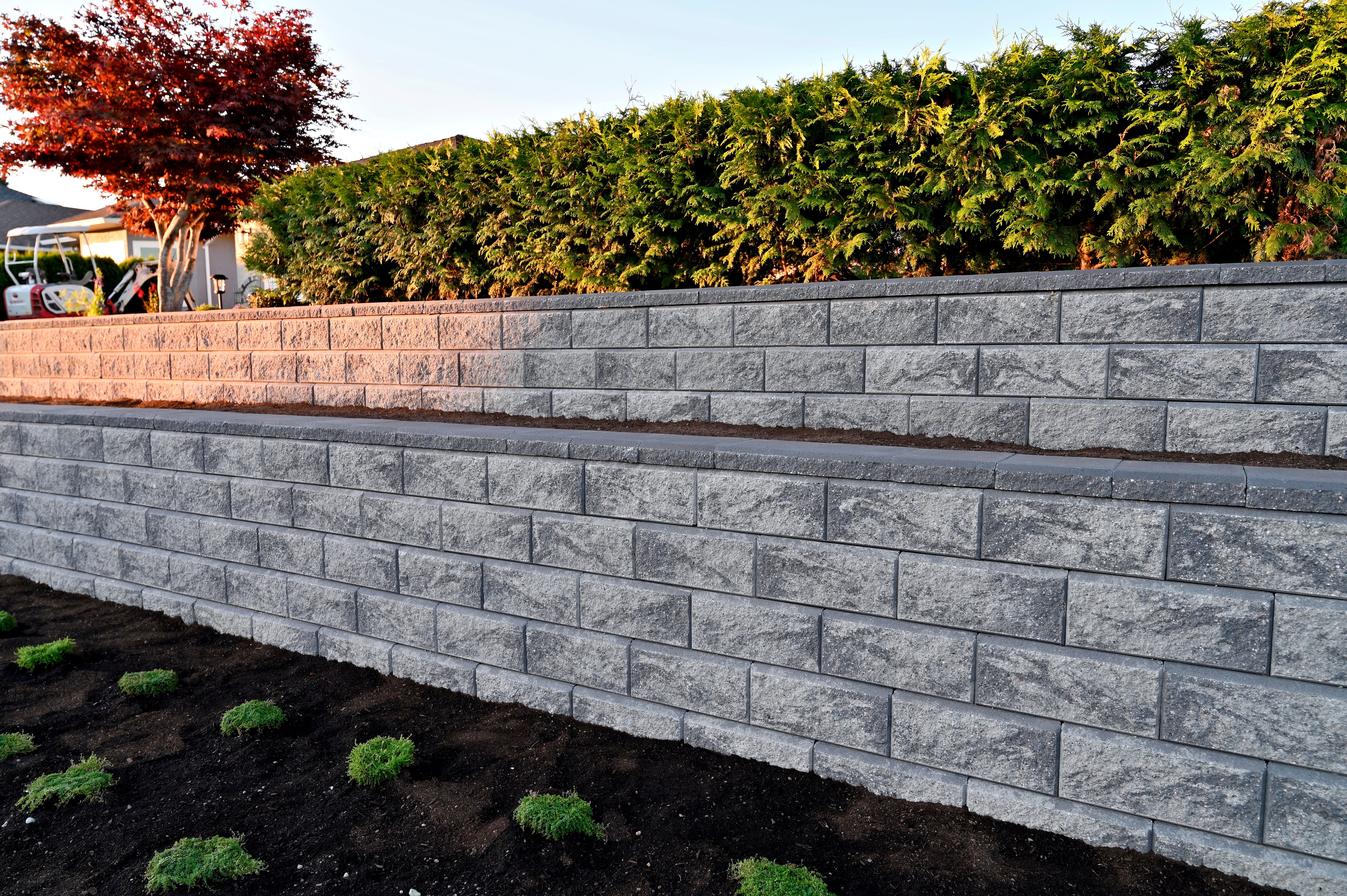
- Segmental Retaining Walls: Made from interlocking blocks, these walls are flexible and easy to install.
Materials to Consider
Choosing the right material for your retaining wall is crucial for both functionality and aesthetics. Common materials include:
- Concrete: Durable and versatile, concrete is ideal for modern and industrial designs.
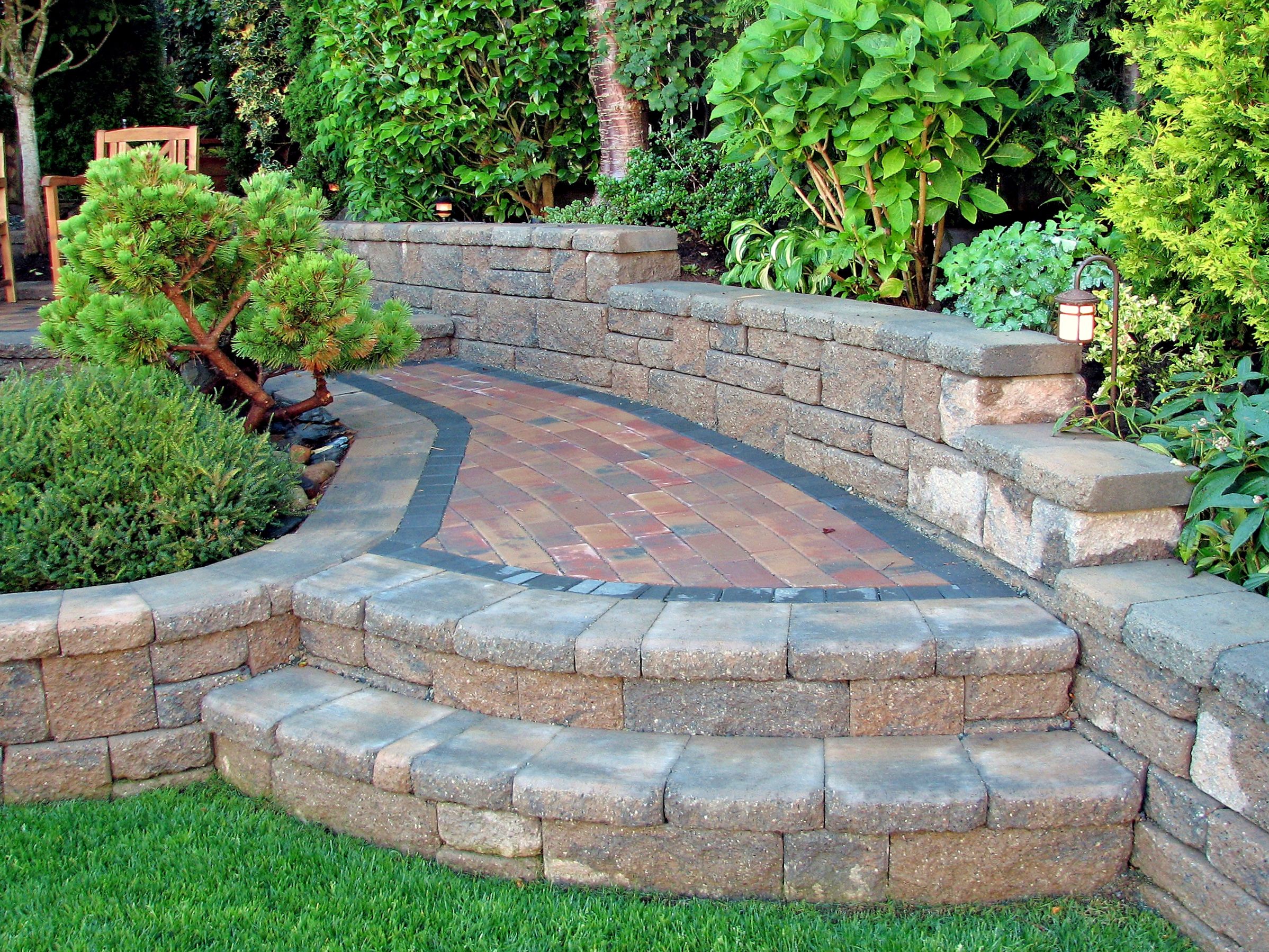
- Stone: Offers a natural and timeless look, perfect for rustic landscapes.
- Wood: Provides a warm, organic appearance but may require more maintenance.
Design and Construction Tips
Designing a retaining wall requires careful planning to ensure structural integrity and aesthetic appeal. Here are some tips to consider:
Assess the site: Evaluate the soil type, drainage, and slope to determine the best design and materials. Proper drainage is vital to prevent water pressure from damaging the wall.
Hire professionals: While DIY projects are tempting, professional contractors possess the expertise to ensure your wall is safe and durable.
Maintenance and Care
Once your retaining wall is installed, regular maintenance is key to its longevity. Inspect the wall periodically for signs of wear, such as cracks or bulges. Address drainage issues promptly to prevent water buildup.
In addition to structural maintenance, consider the aesthetic upkeep. Planting along the top or in front of the wall can enhance its appearance and blend it seamlessly into your landscape.
Conclusion
Retaining walls are a valuable addition to any residential property, offering practical solutions and enhancing visual appeal. By understanding the types, materials, and construction methods, homeowners can make informed decisions that will benefit their property for years to come.
Whether you're looking to prevent erosion, create a stunning garden terrace, or simply improve your property's look, a well-planned retaining wall can make a significant difference.