
DIY Landscaping Tips for Residential Spaces: Expert Advice from Celedon


Planning Your Landscape Design
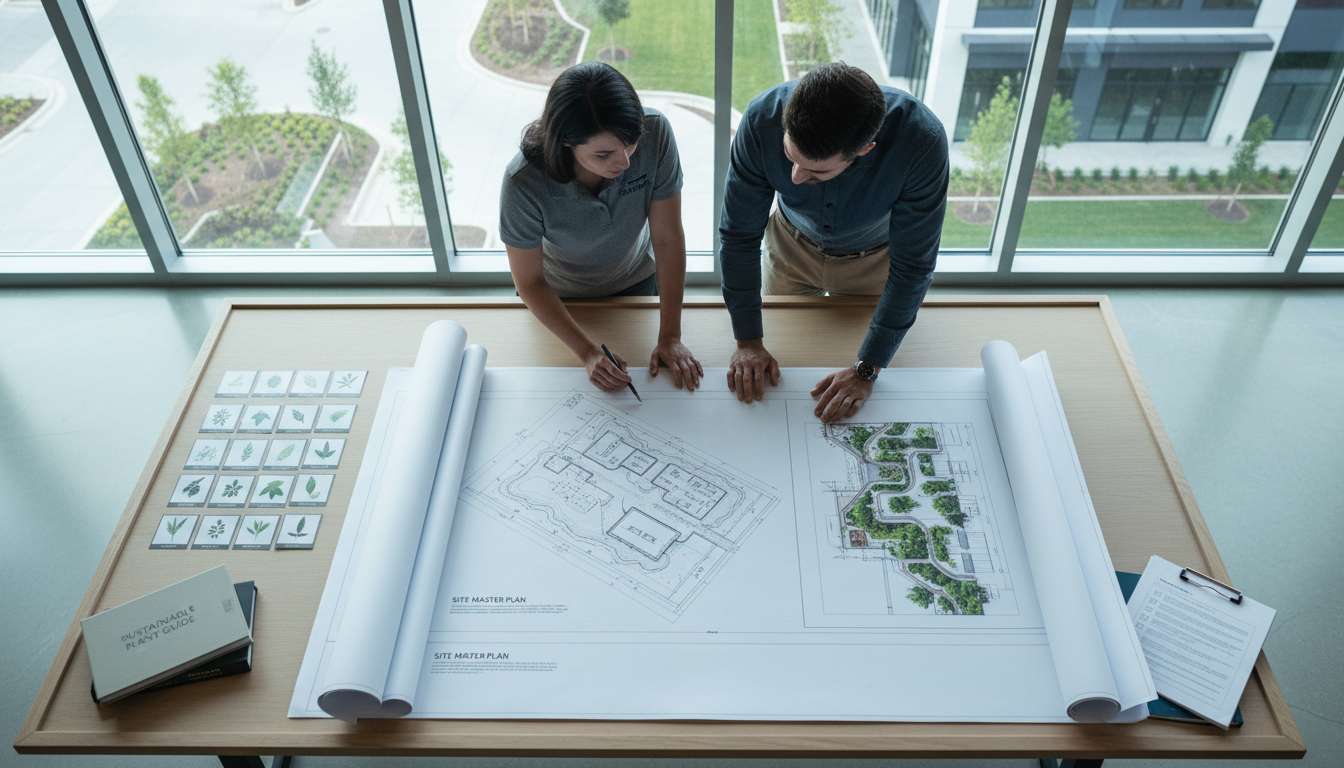
Before diving into the actual landscaping, it's crucial to have a clear plan. Start by analyzing your space, considering the size, shape, and existing elements. Sketch a rough layout of where you envision different features like plants, pathways, and seating areas. This blueprint will guide your project and help you stay organized.
Choosing the Right Plants
Selecting the appropriate plants for your garden is essential for a thriving landscape. Consider the climate, soil type, and sunlight availability in your area. Opt for native plants, as they tend to require less maintenance and are better adapted to local conditions. Mix and match different textures and colors to create a visually appealing garden.
Seasonal Considerations
Incorporate plants that bloom in different seasons to ensure your garden looks vibrant year-round. This strategy not only adds visual interest but also supports local wildlife, providing them with a habitat throughout the year.
Creating Functional Spaces
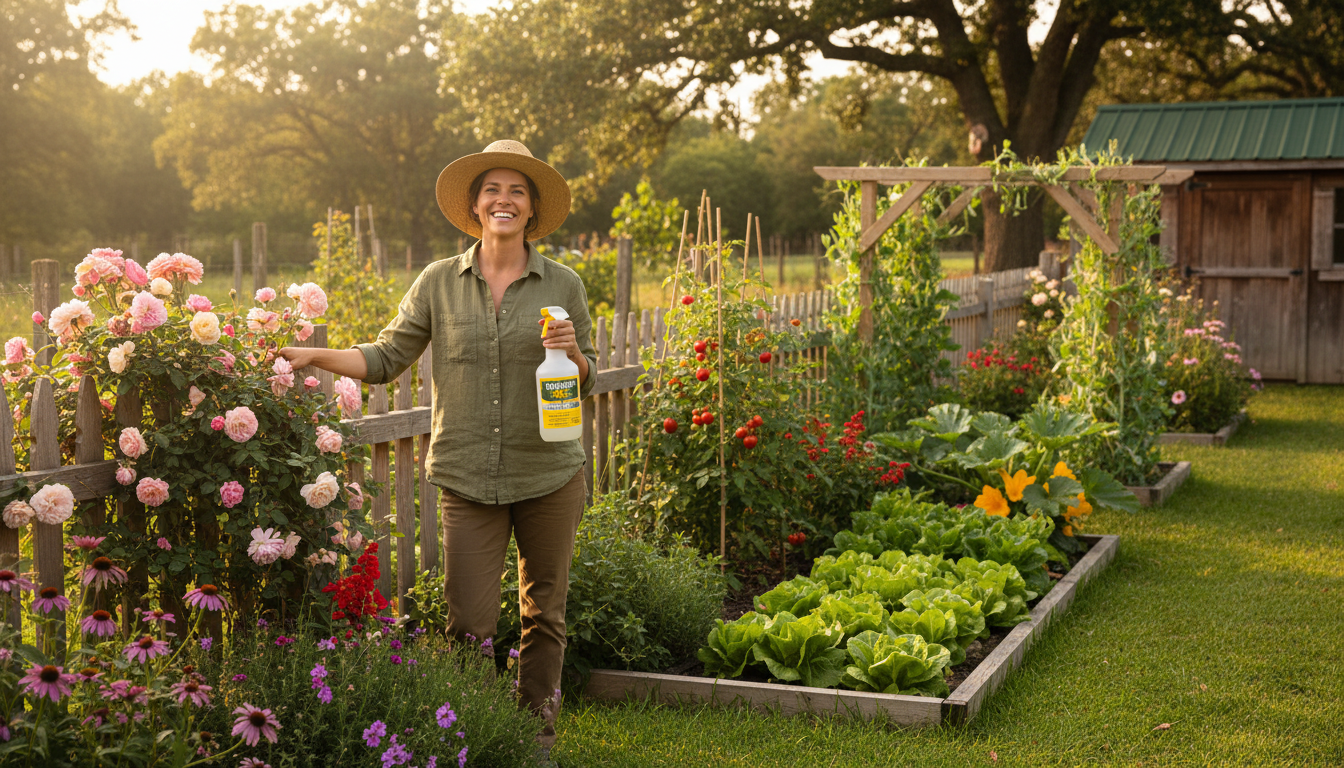
Divide your garden into functional zones to make the most out of your space. Consider areas for relaxation, dining, or even a small vegetable patch. Use hedges or garden screens to separate these zones, creating a sense of privacy and structure.
Pathways and Walkways
Incorporate pathways to enhance accessibility and connect different areas in your garden. Use materials like gravel, stone, or wood to add texture and contrast to your landscape design. Ensure pathways are wide enough for comfortable movement and consider adding lighting for safety and ambiance.
Water Features and Lighting
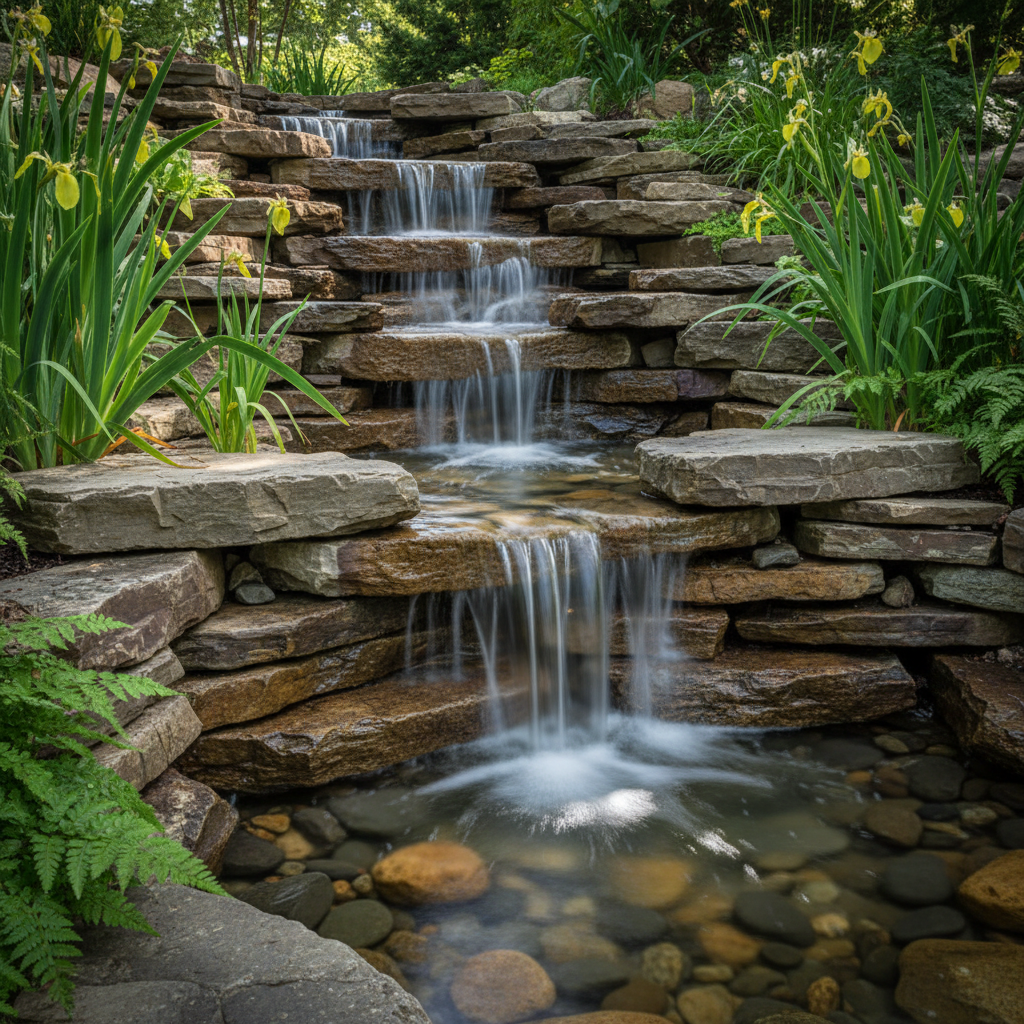
Adding water features like fountains or small ponds can create a tranquil atmosphere. The sound of flowing water is soothing and can mask unwanted noise from surrounding areas. Integrate lighting solutions to highlight key features and extend the usability of your garden into the evening hours.
DIY Maintenance Tips
Regular maintenance is vital for keeping your landscape looking its best. Create a schedule for tasks like watering, pruning, and fertilizing. Invest in quality tools to make your work easier and more efficient. Remember to adjust your maintenance routine with the changing seasons to address specific needs.
Sustainability Practices
Incorporate sustainable practices into your landscaping to benefit the environment. Use rainwater harvesting systems, choose organic fertilizers, and implement composting techniques. These practices not only reduce your environmental impact but can also save you money in the long run.
Conclusion
With thoughtful planning and execution, you can transform your residential space into a beautiful and functional landscape. Embrace creativity, and don’t hesitate to experiment with different elements. Remember, the key to successful DIY landscaping is balancing aesthetics with practicality. Happy gardening!