
DIY Street Sweeping: What You Need to Know Before You Start


Getting Started with DIY Street Sweeping
Embarking on a DIY street sweeping project can be a rewarding way to contribute to your community. Whether you're looking to enhance your neighborhood's curb appeal or ensure a cleaner environment, there's a lot to consider before you start. From the tools you'll need to safety precautions, this guide will walk you through the essentials.
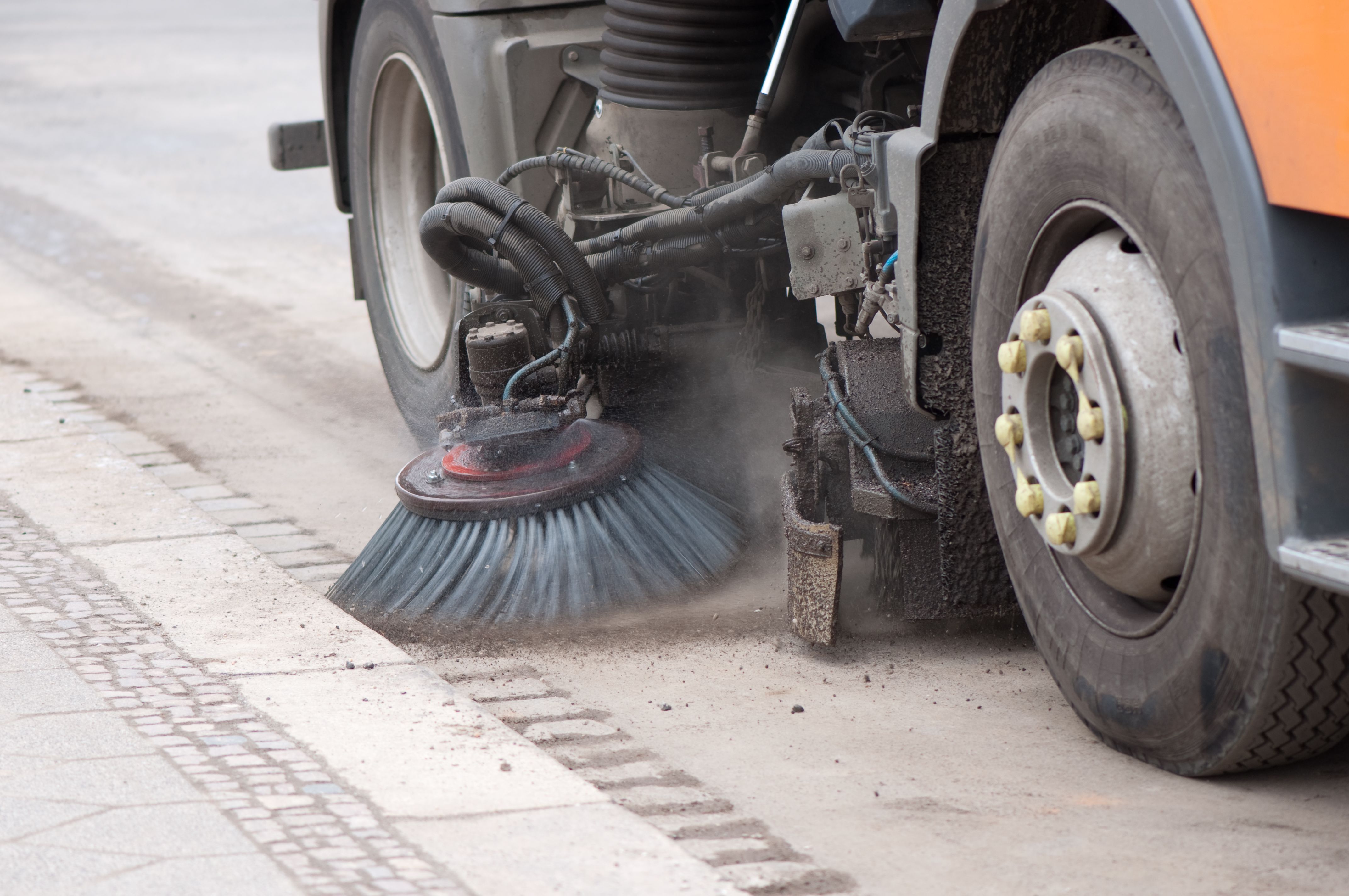
Essential Tools and Equipment
Before you begin, gather the necessary tools. The basics include a sturdy broom, dustpan, and a trash bag. For larger areas, consider a push broom or a leaf blower to make the task more efficient. If you're dealing with tough debris, a shovel might be necessary. Don't forget gloves to protect your hands and a reflective vest for safety.
Investing in quality equipment can make a significant difference. A good broom with stiff bristles will help you tackle dirt and debris more effectively. Additionally, a wheelbarrow can be useful for transporting larger amounts of waste.
Planning Your Street Sweeping Project
Proper planning is crucial for a successful DIY street sweeping project. Start by assessing the area you want to clean. Identify any obstacles or hazards, such as parked cars or uneven pavement. It's important to choose a time when traffic is minimal to ensure safety.

Coordinate with your neighbors if possible. A group effort can make the task more manageable and even turn it into a fun community event. Assign specific roles or areas to ensure the work is done efficiently.
Safety Measures to Consider
Safety should always be a top priority. Wear appropriate clothing, including closed-toe shoes and a reflective vest, especially if you'll be working near traffic. If you're using machinery like a leaf blower, ensure you have ear protection.
Be aware of your surroundings at all times. Keep an eye out for vehicles, and make sure to have a first-aid kit on hand in case of any minor injuries.
Disposal and Recycling
After collecting debris and waste, it's important to dispose of it properly. Separate recyclables from trash to minimize environmental impact. Check with your local waste management services for guidelines on disposing of street debris.
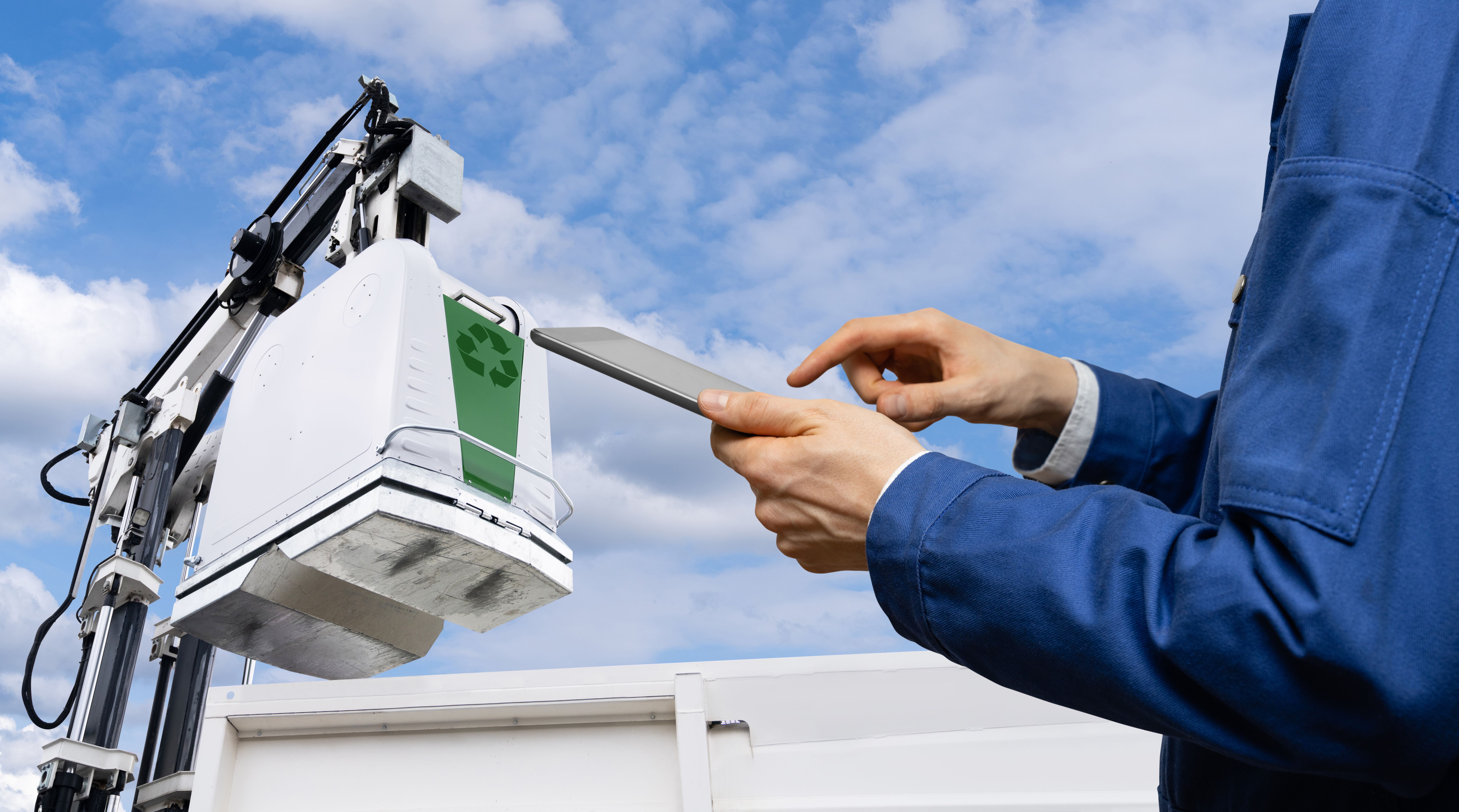
Consider composting organic materials like leaves and small branches. This not only reduces waste but also provides nutrient-rich compost for gardening.
Maintaining Cleanliness
Regular maintenance is key to keeping your streets clean. Establish a routine schedule, whether it's weekly or monthly, to prevent the buildup of debris. Encourage neighbors to participate and maintain the area's cleanliness.
Creating a community initiative can foster a sense of pride and responsibility. Celebrate your achievements with a small gathering or updates to keep everyone motivated.