
Expert Advice: Maintaining Your Landscape Architecture in Oregon's Climate


Understanding Oregon's Unique Climate
Oregon's diverse climate, ranging from the wet and mild conditions of the west to the arid and dry regions of the east, poses unique challenges for landscape architecture. Understanding these climatic variations is crucial for creating and maintaining a thriving landscape. The western part of the state experiences significant rainfall, which can lead to waterlogging issues, while the eastern region requires strategies to conserve water.
To successfully design and maintain landscapes in Oregon, it's essential to select plants that are well-suited to the specific climate and soil conditions of your area. Native plants are often the best choice as they are naturally adapted to local weather patterns and require less maintenance.

Soil Management and Drainage
The soil in Oregon can vary significantly from one location to another. Proper soil management is vital for the health of your landscape. In wetter regions, ensuring good drainage is crucial to prevent root rot and other water-related issues. Consider incorporating raised beds or using soil amendments to improve drainage and soil quality.
For areas prone to dryness, mulching can help retain moisture and reduce water evaporation. This practice not only conserves water but also improves soil fertility over time. Regular soil testing can provide valuable insights into nutrient levels and help guide fertilization practices.
Watering Strategies for Different Seasons
Oregon's climate requires flexible watering strategies to adapt to seasonal changes. In the wetter months, it's important to monitor rainfall and adjust irrigation schedules accordingly to avoid overwatering. During the dry summer months, efficient irrigation systems, such as drip irrigation, can help conserve water while ensuring plants receive the moisture they need.
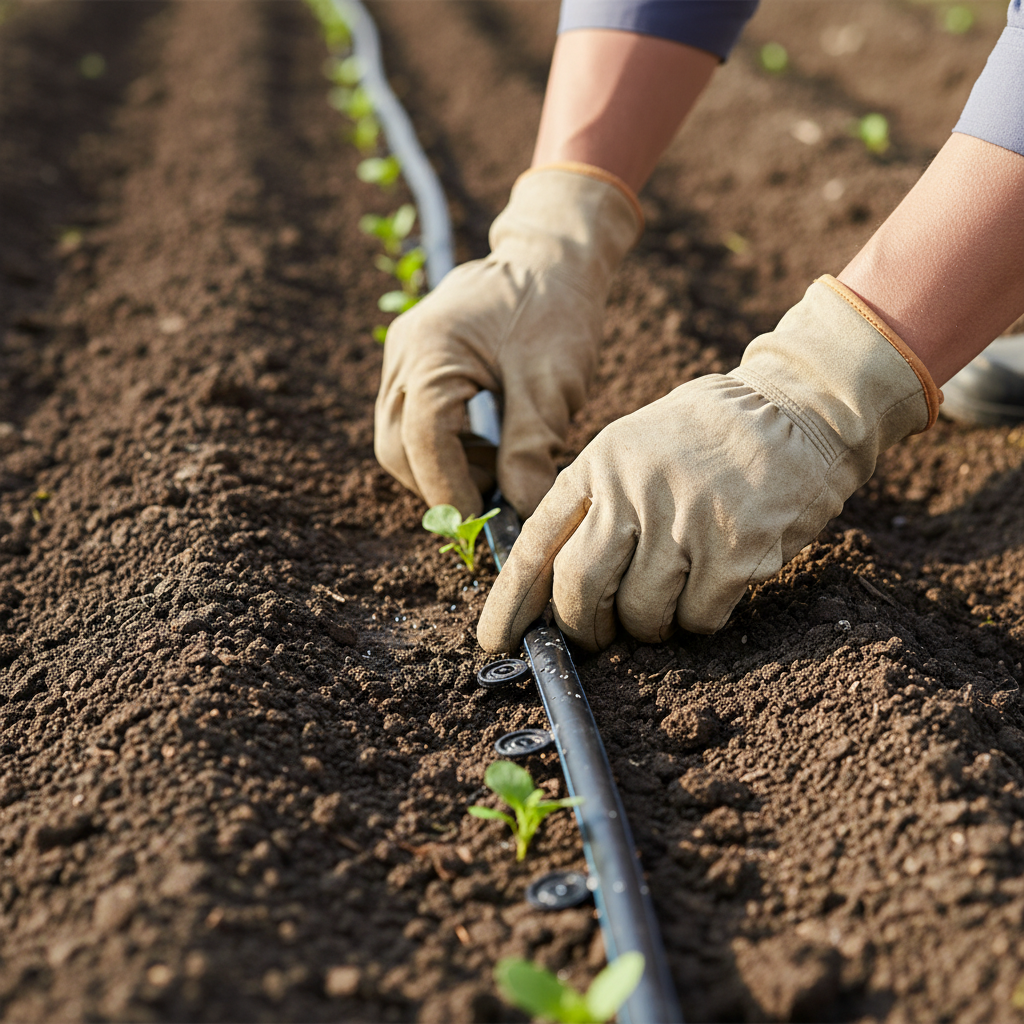
Consider implementing a rainwater harvesting system to make the most of Oregon's abundant rainfall. This not only helps reduce water bills but also provides a sustainable water source during drier periods.
Choosing the Right Plant Species
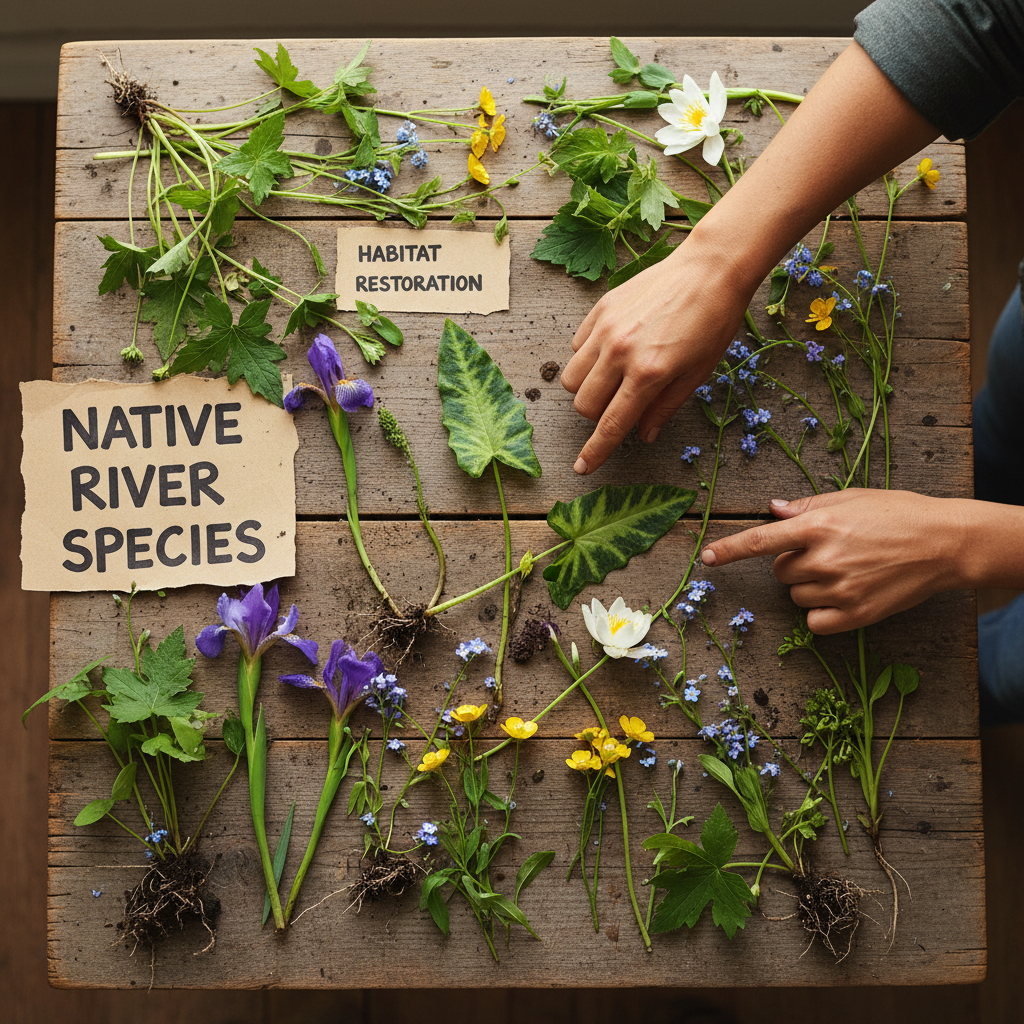
When selecting plants for your landscape, consider factors such as hardiness, drought tolerance, and resistance to local pests and diseases. Native Oregon plants like the Oregon grape, red-flowering currant, and Western sword fern are excellent choices for creating a resilient landscape.
Grouping plants with similar water and sunlight needs can also lead to a more efficient and low-maintenance garden. This practice helps ensure that each plant receives the appropriate care and resources, promoting healthy growth.
Regular Maintenance and Care
Regular maintenance is key to keeping your landscape thriving. This includes tasks such as pruning, weeding, and monitoring for pests and diseases. In Oregon's variable climate, it's important to stay vigilant and address any issues promptly to prevent them from escalating.
Consider creating a seasonal maintenance checklist to keep track of necessary tasks and ensure your landscape remains in top condition throughout the year. Engaging with local gardening clubs or landscape professionals can provide additional support and advice tailored to your specific region.
Embracing Sustainable Practices
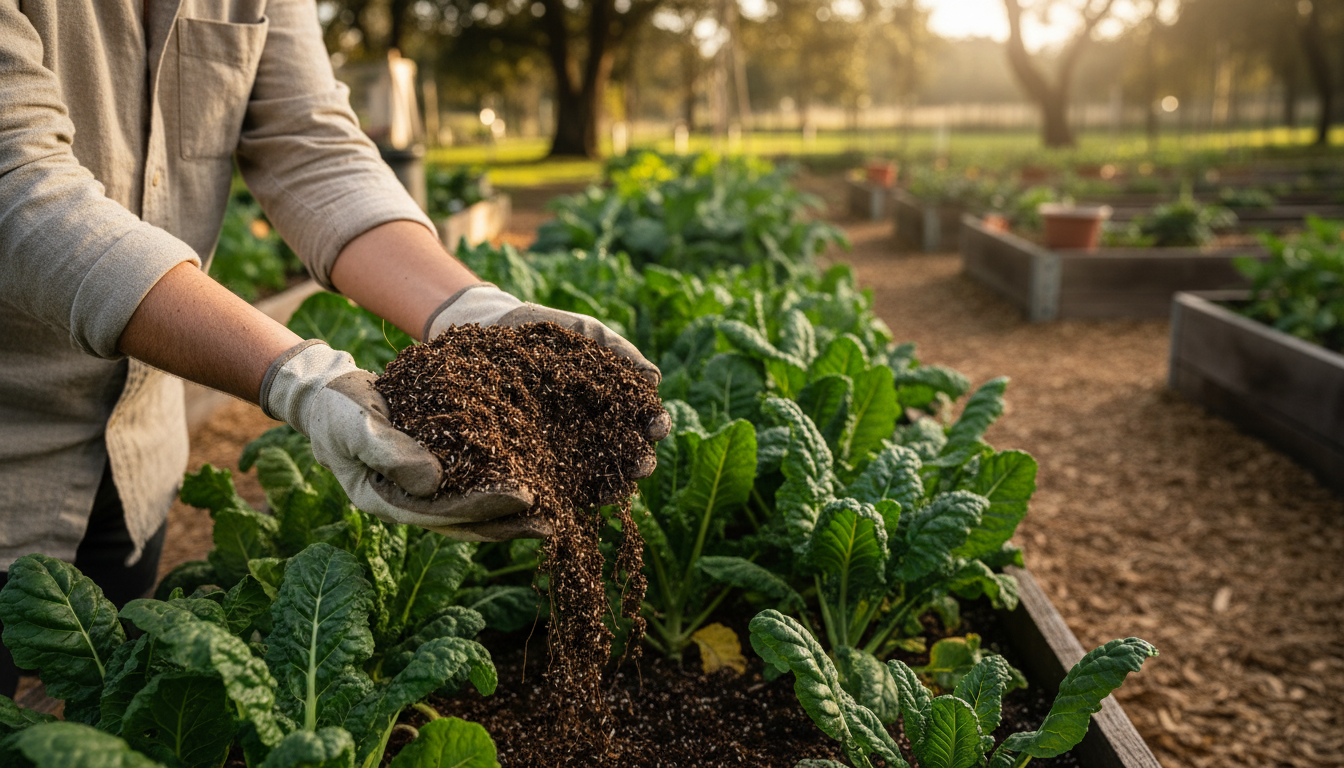
Incorporating sustainable practices into your landscape design can enhance its resilience and environmental impact. Techniques such as composting, using organic fertilizers, and integrating pollinator-friendly plants contribute to a healthier ecosystem.
By understanding and working with Oregon's unique climate, you can create a beautiful and sustainable landscape that thrives year-round. With careful planning and maintenance, your outdoor space can become a source of pride and enjoyment for years to come.