
Expert Tips for Designing Wood Landings and Decks


Understanding the Basics of Wood Landings and Decks
Designing wood landings and decks involves more than just choosing the right materials. It requires a thoughtful approach to ensure safety, functionality, and aesthetics. Whether you're planning a small landing or a sprawling deck, understanding the core principles can make a significant difference in the final outcome.
The first step in designing is to consider the purpose and location of your deck. Will it be used for entertaining guests, or as a serene retreat? The purpose will guide many of your design decisions, from size to layout.
Choosing the Right Materials
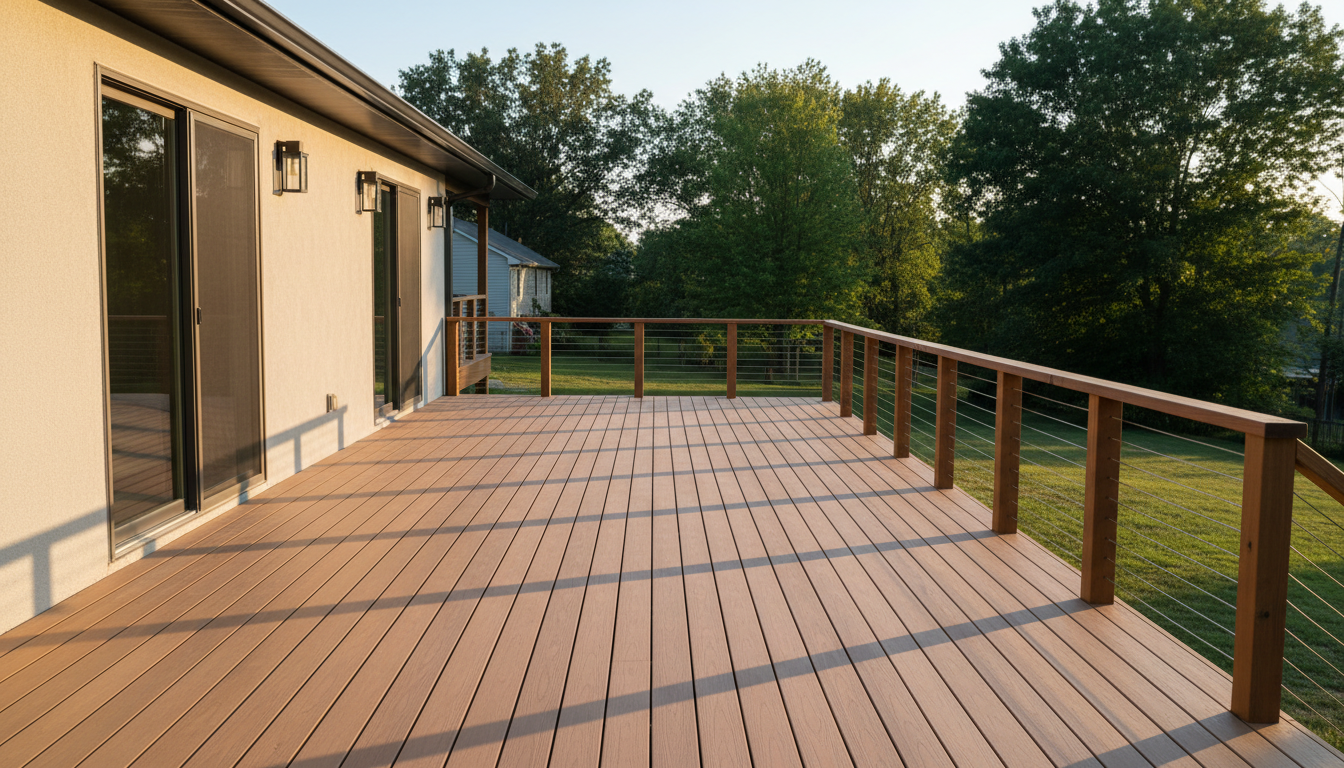
When it comes to materials, the options are plentiful. However, wood remains a popular choice due to its natural beauty and versatility. Some of the most popular types of wood for decks include cedar, redwood, and pressure-treated lumber. Each type has its own benefits and drawbacks, so it's essential to choose the one that best fits your needs and budget.
Cedar and redwood are known for their resistance to insects and decay, while pressure-treated wood is often more budget-friendly. Consider the climate and weather conditions in your area when making your selection, as some woods handle moisture and temperature changes better than others.
Designing for Safety and Durability
Safety is a crucial aspect of any deck design. Ensure that your deck complies with local building codes and regulations. This might include specific requirements for railings, stairs, and structural supports. Proper ventilation and drainage are also vital to prevent water accumulation and rot.
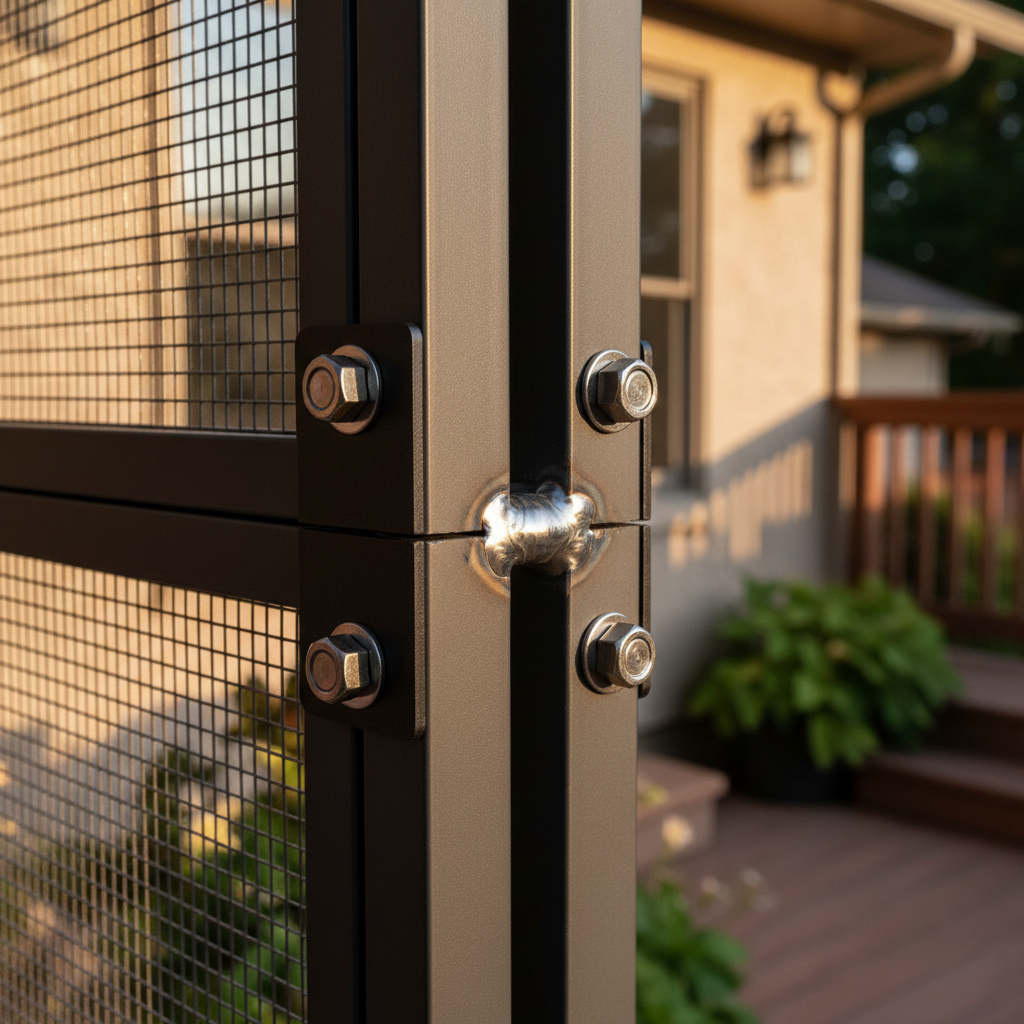
Durability is another key consideration. Regular maintenance, such as sealing and staining, can extend the life of your deck. Investing in quality materials and craftsmanship upfront can save you from costly repairs down the line.
Incorporating Aesthetic Elements
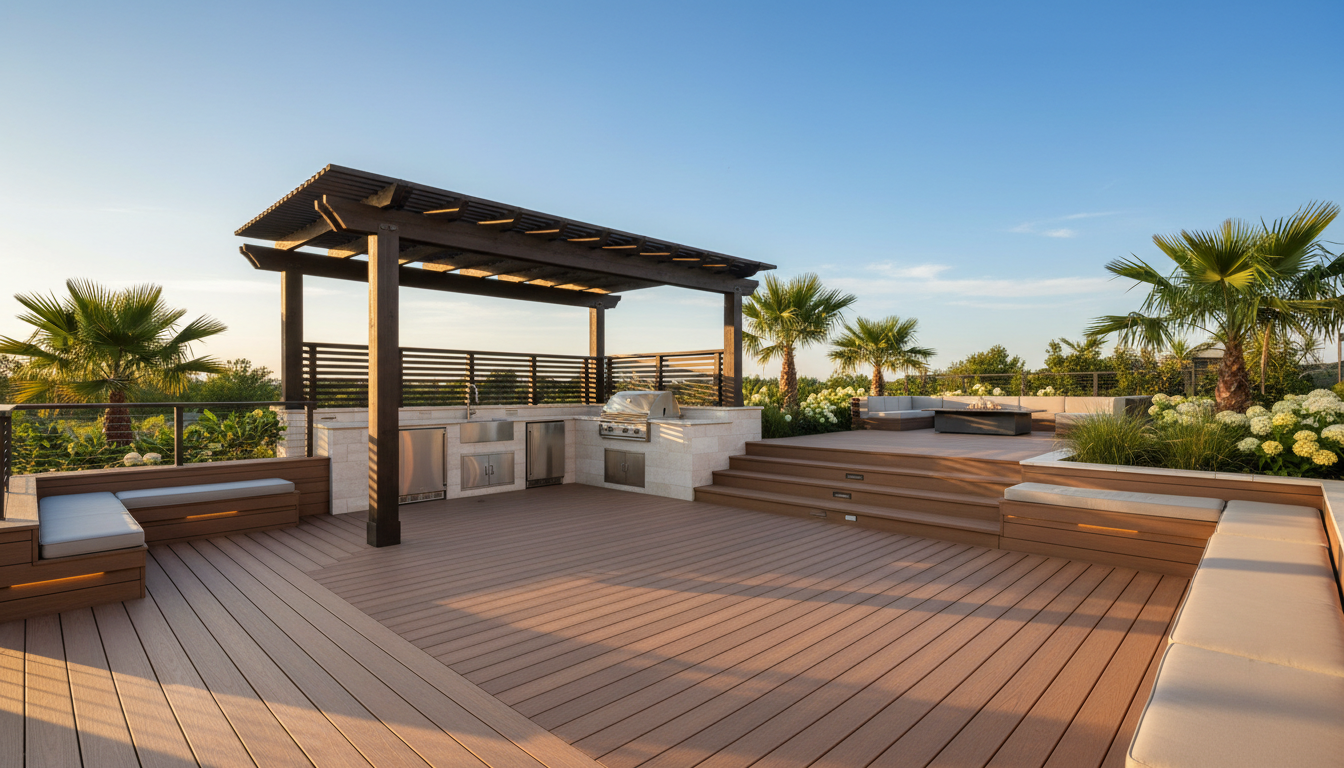
While functionality is essential, don't overlook the aesthetics of your deck. Incorporate design elements that complement your home's architecture and surrounding landscape. This might include built-in seating, planters, or lighting to enhance the ambiance and usability of the space.
Consider the color and texture of the wood, as well as any additional features like pergolas or privacy screens. These elements can add character and charm, making your deck a true extension of your home.
Planning for the Future
As you design your deck, think about how your needs might change over time. Will you need additional space for a growing family or new outdoor activities? Designing with flexibility in mind can help ensure your deck remains functional and enjoyable for years to come.
Consider future maintenance and potential upgrades, like adding an outdoor kitchen or hot tub. By planning ahead, you can make decisions that accommodate future enhancements without extensive remodeling.
Conclusion
Designing wood landings and decks is a rewarding endeavor that combines creativity and practicality. By focusing on the purpose, materials, safety, aesthetics, and future needs, you can create a space that enhances your lifestyle and adds value to your home. Whether you’re a DIY enthusiast or working with a professional, these expert tips will guide you in crafting a beautiful and enduring outdoor living area.