
FAQ: Common Questions About Retaining Walls and Their Benefits


Understanding Retaining Walls
Retaining walls are essential structures designed to hold back soil and prevent erosion. They are commonly used in landscaping and construction to create level areas on sloped terrain. Understanding their purpose and benefits can help homeowners and property developers make informed decisions.
Why Are Retaining Walls Important?
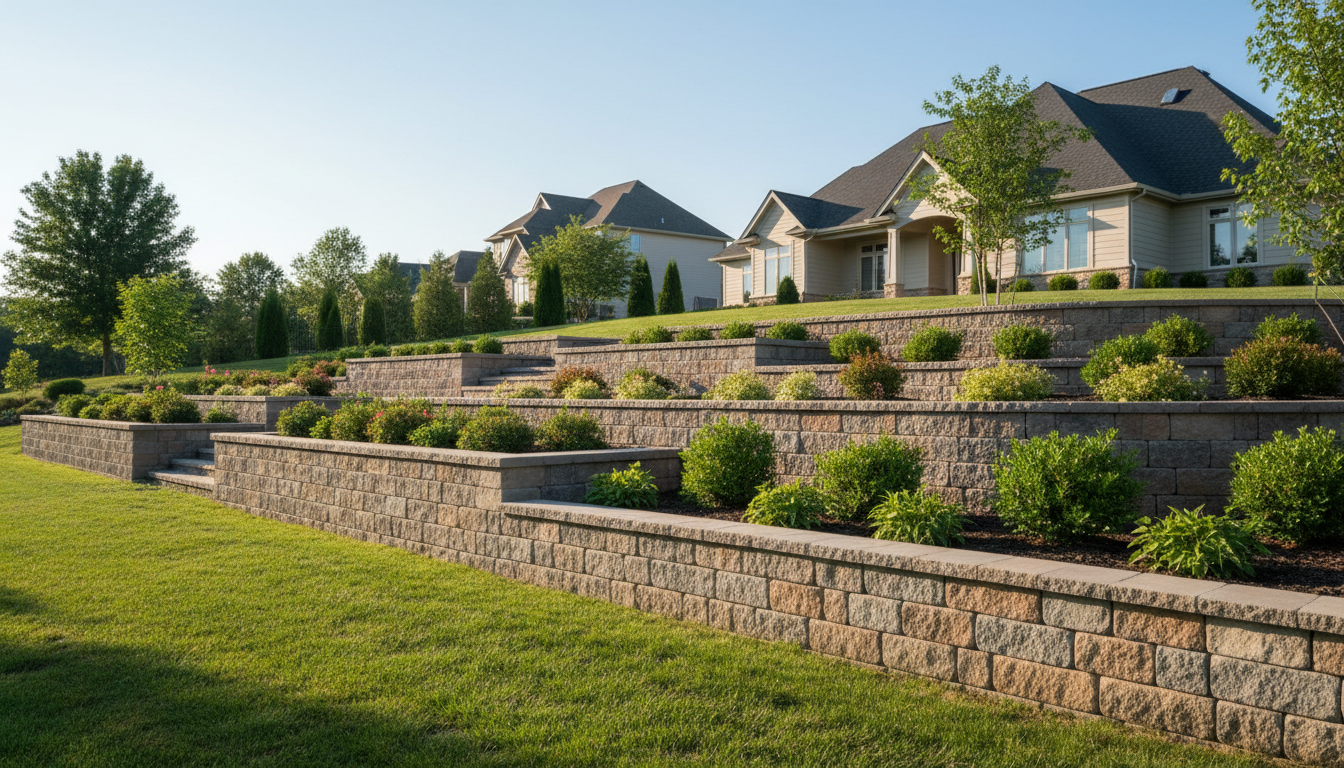
The primary function of a retaining wall is to stabilize a sloping area and prevent soil from shifting. This is crucial in preventing erosion and maintaining the integrity of landscapes. Retaining walls can also enhance the aesthetic appeal of a property by creating visually interesting terraces and garden beds.
Additionally, retaining walls can help manage water drainage on a property. By controlling the flow of water, they reduce the risk of flooding and water damage to structures. This can be especially beneficial in areas with heavy rainfall or steep slopes.
Common Questions About Retaining Walls
What Materials Are Used for Retaining Walls?
Retaining walls can be built from a variety of materials, each offering different benefits. Common materials include:
- Concrete: Known for its durability and strength, concrete is a popular choice for retaining walls.
- Stone: Offers a natural look and blends well with outdoor environments.
- Wood: Provides a rustic appearance but may require more maintenance over time.
- Brick: Combines durability with aesthetic appeal, offering a classic look.
How Do I Choose the Right Type of Retaining Wall?
Choosing the right type of retaining wall depends on several factors, including the slope of the land, soil type, and budget. Consulting with a landscaping professional can provide insights into the most suitable options for your specific needs. They can assess the terrain and recommend materials and designs that will ensure both functionality and visual appeal.
Benefits of Retaining Walls
What Are the Advantages of Installing a Retaining Wall?
Retaining walls offer numerous benefits, including:
- Increased Property Value: Well-designed retaining walls can enhance the aesthetic appeal and functionality of a property.
- Improved Erosion Control: They effectively manage soil erosion, protecting landscapes and structures.
- Enhanced Usable Space: By leveling sloped areas, retaining walls create additional usable outdoor space for gardens, patios, or play areas.
Can Retaining Walls Be Customized?
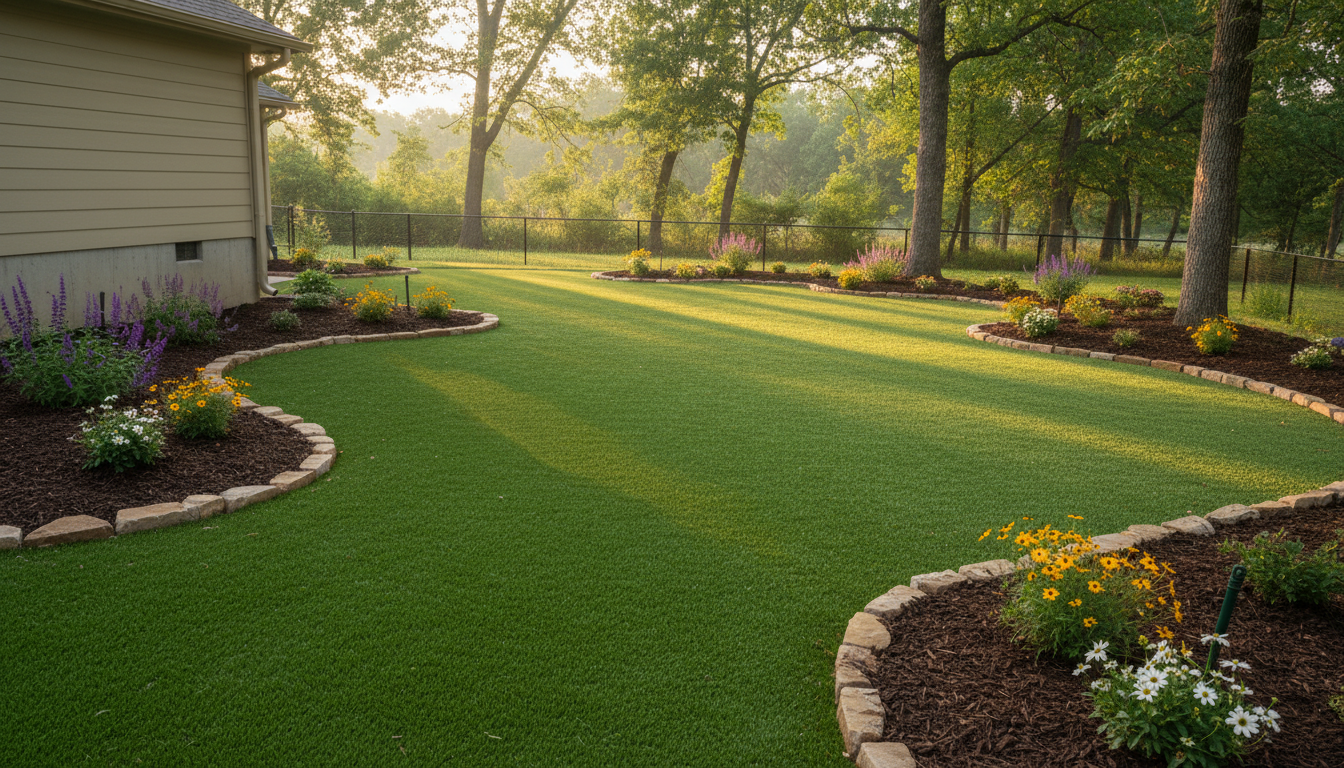
Yes, retaining walls can be customized to fit the design preferences and functional requirements of any property. With a variety of materials, colors, and textures available, homeowners can create walls that complement their landscape and architecture. Custom designs, such as curved walls or integrated seating, add an extra layer of personalization.
In conclusion, retaining walls are not only functional but also provide aesthetic and practical benefits. Whether you are looking to prevent erosion, manage water drainage, or simply enhance the look of your property, retaining walls offer a viable solution.