
How Retaining Walls Can Prevent Erosion in Residential Landscapes


Understanding Erosion in Residential Landscapes
Erosion is a natural process where soil, rock, and other surface materials are worn away, often due to water, wind, or human activities. In residential landscapes, this can lead to significant challenges, such as loss of fertile topsoil, unsightly gullies, and even damage to property foundations. Addressing erosion early is crucial for maintaining the health and beauty of your landscape.
One effective method to combat erosion is through the use of retaining walls. These structures not only add aesthetic value but also provide essential support to prevent soil movement, ensuring your landscape remains intact and vibrant.
The Functionality of Retaining Walls
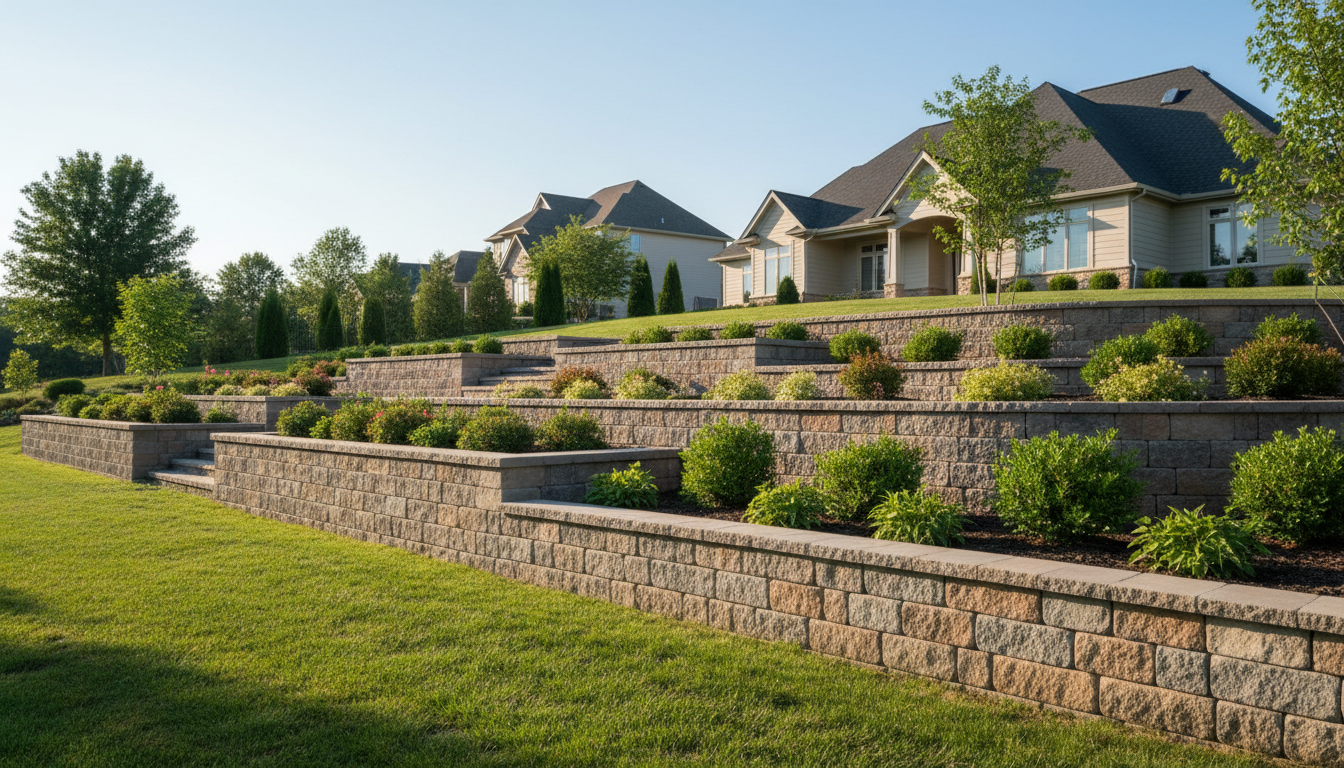
Retaining walls are designed to hold back soil and stabilize sloped areas, making them an excellent solution for preventing erosion. By creating a barrier, they help maintain the shape of the land, preventing the soil from washing away during heavy rains or irrigation.
These walls can be constructed from a variety of materials, including stone, concrete, and wood, each offering unique benefits. The choice of material often depends on the landscape's design, budget, and personal preference.
Benefits of Retaining Walls
Retaining walls offer a range of benefits beyond erosion control:
- Improved Drainage: Properly designed retaining walls can enhance drainage systems, directing water away from vulnerable areas.
- Increased Usable Space: By leveling sloped areas, these walls create more functional outdoor spaces, perfect for gardens or patios.
- Aesthetic Appeal: With the right design, retaining walls can enhance the visual appeal of a landscape, adding texture and dimension.
Key Considerations When Building Retaining Walls
When planning a retaining wall, several factors must be considered to ensure its effectiveness and longevity. First, assess the specific erosion challenges in your landscape. Understanding the soil type, slope, and water flow patterns will guide the design process.
Next, consider the height and length of the wall. Taller walls may require additional support structures or permits, depending on local regulations. It's also crucial to ensure proper drainage behind the wall to prevent water buildup, which can compromise the wall's stability.
Professional Installation vs. DIY
While some homeowners opt for DIY retaining wall projects, professional installation is often recommended for larger or more complex landscapes. Professionals bring expertise in engineering and design, ensuring that the wall is both functional and aesthetically pleasing.
In conclusion, retaining walls are a practical and attractive solution for preventing erosion in residential landscapes. By investing in a well-designed retaining wall, homeowners can protect their property, enhance its beauty, and enjoy their outdoor spaces more fully.