
How to Prepare Your Property for Spring: Essential Landscaping Tips


Assess Your Property
Spring is the perfect time to give your property a refreshing makeover. Start by assessing your property for any winter damage. Look for broken branches, damaged fences, or any other areas that need repair. Taking care of these issues early will prevent further damage and ensure your landscape is ready for the growing season.
Once you've identified problem areas, create a checklist of tasks. This will help you stay organized and ensure that nothing is overlooked. Prioritize tasks based on urgency and impact on your landscape's overall health and appearance.
Clean Up Debris
Winter often leaves behind a mess of leaves, twigs, and other debris. Cleaning up these remnants is essential for a healthy landscape. Remove any dead foliage and fallen branches to make way for new growth. This not only improves the aesthetic appeal but also prevents pests and diseases from taking hold.
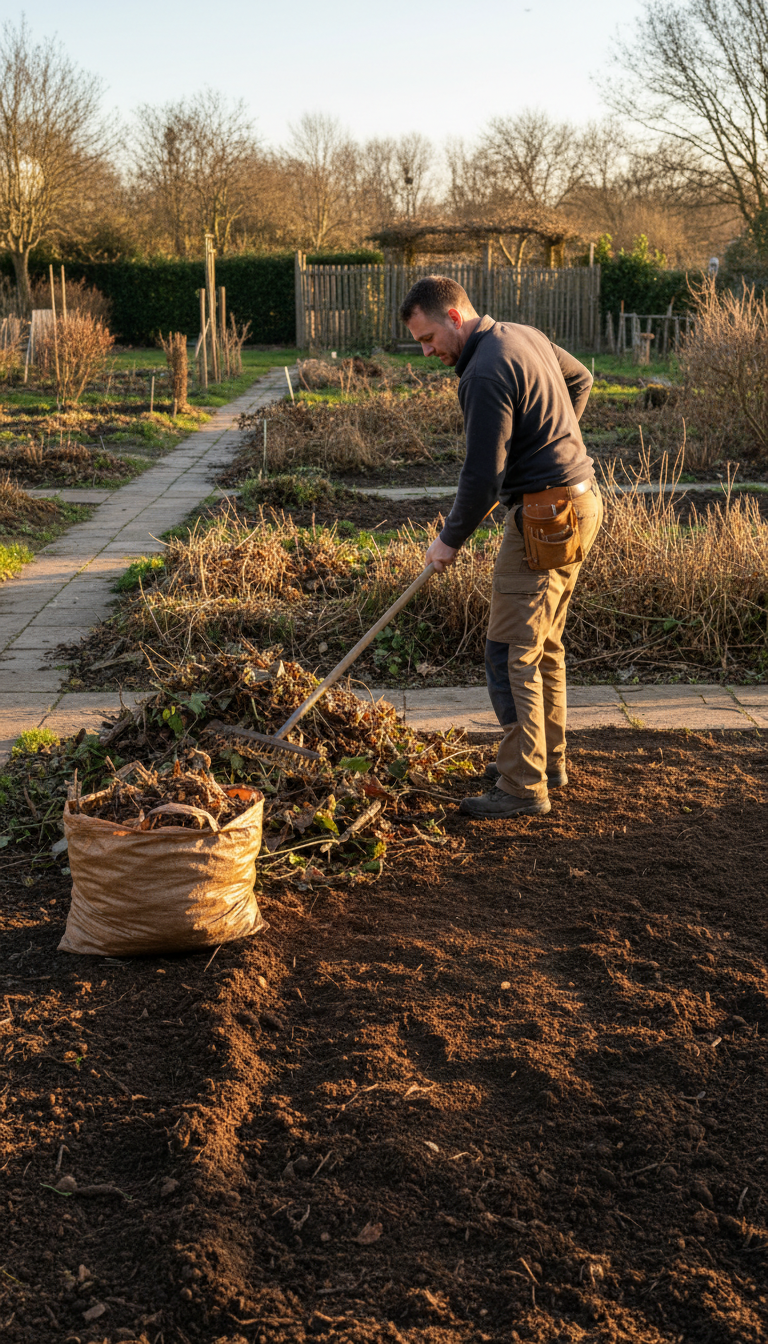
As you clean up, consider composting the organic material. Composting is an eco-friendly way to recycle yard waste and enrich your soil. Your plants will thank you for the extra nutrients!
Revitalize Your Soil
Healthy soil is the foundation of a thriving landscape. Test your soil's pH and nutrient levels to determine what amendments are needed. Based on the results, add the appropriate fertilizers or soil conditioners to boost fertility. This will promote vigorous plant growth and vibrant blooms throughout spring and beyond.
Aerating your soil is another effective way to revitalize it. Aeration improves water and nutrient absorption, ensuring that your plants receive the nourishment they need. Consider renting an aerator or hiring a professional if your yard is large.

Prune and Trim
Pruning is crucial for maintaining plant health and encouraging new growth. Trim back overgrown shrubs and trees, and remove any dead or diseased branches. This not only improves the appearance of your garden but also helps prevent the spread of disease. Be sure to use sharp, clean tools to make precise cuts.
When pruning, keep in mind the natural shape of each plant. Avoid over-pruning, which can stress plants and hinder their growth. If you're unsure how to prune specific plants, consult a professional landscaper or do some research to ensure you're doing it correctly.
Plan for New Plantings
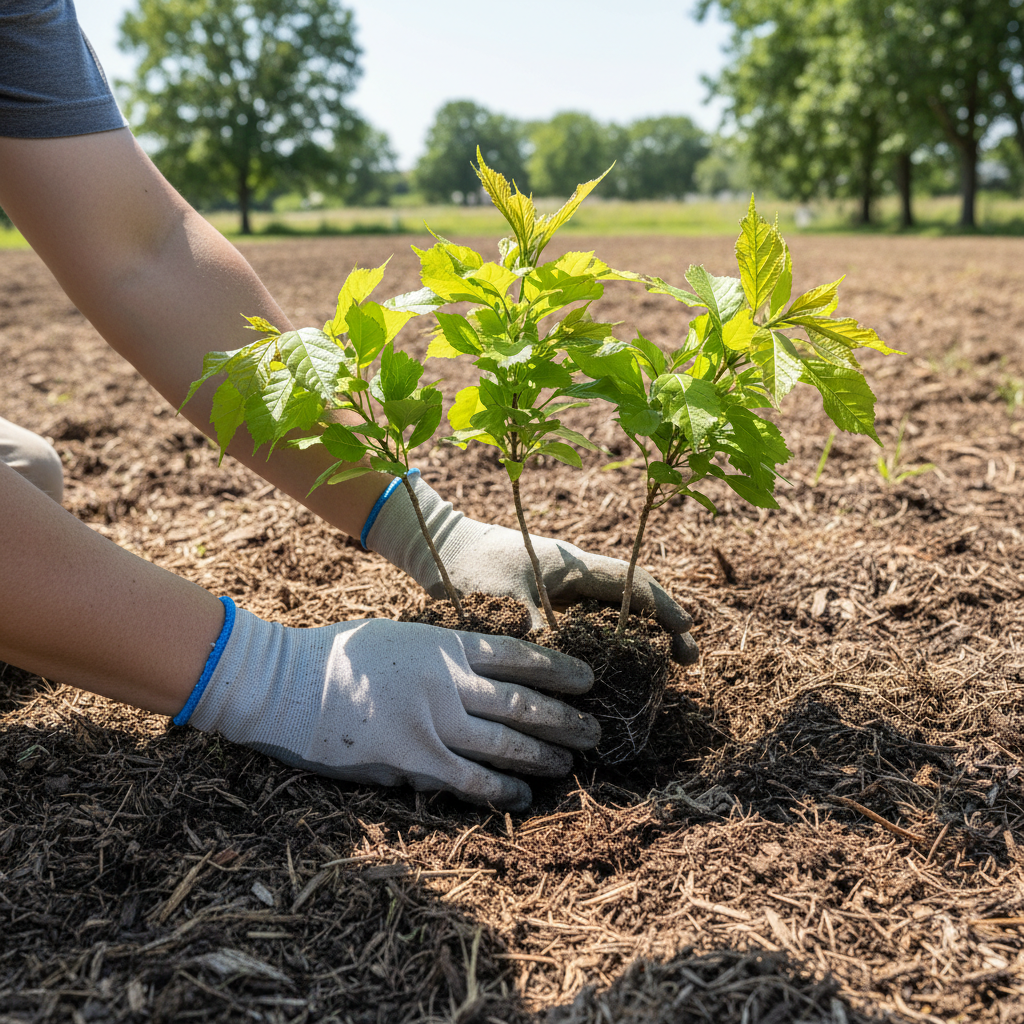
Spring is an excellent time to introduce new plants to your landscape. Consider adding a mix of perennials and annuals to provide continuous color and interest throughout the season. When selecting plants, consider their sunlight and water requirements to ensure they thrive in their designated spots.
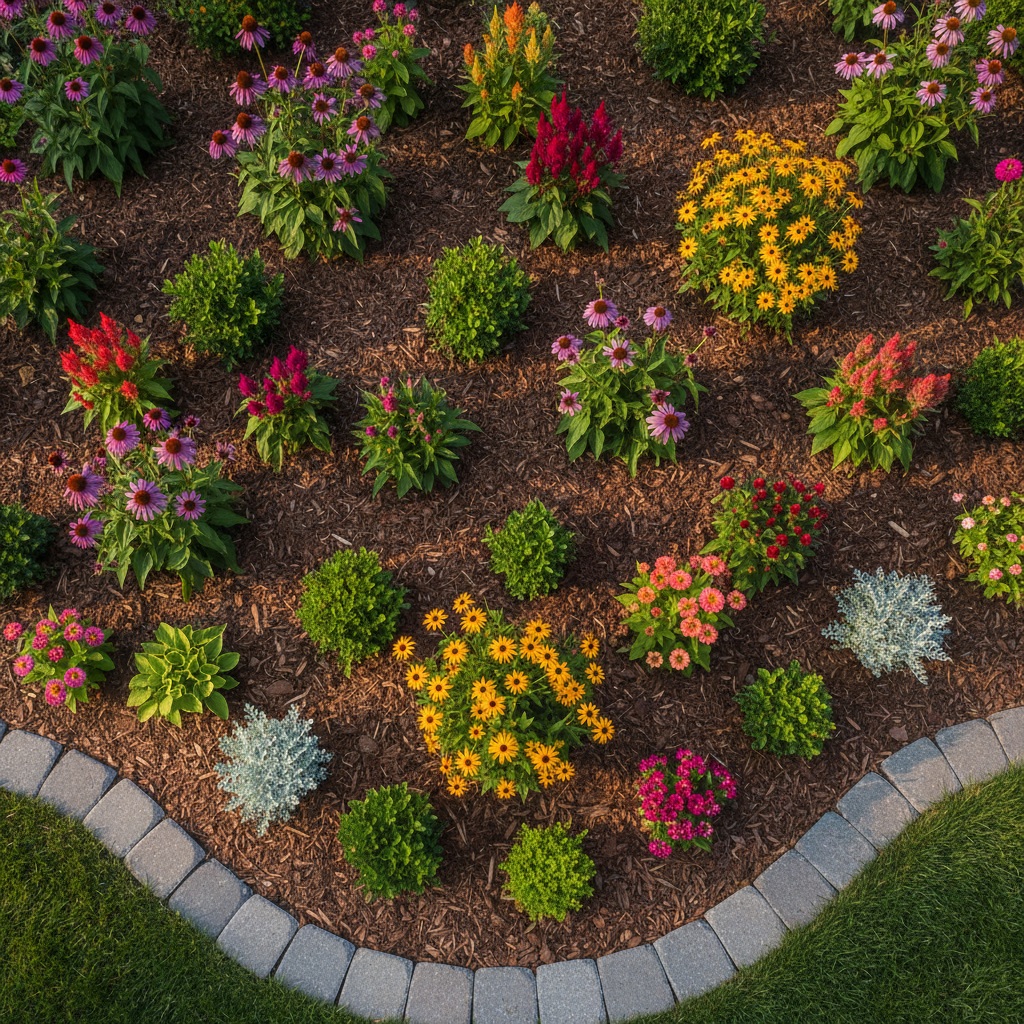
Before planting, design a layout that considers the mature size of each plant. This will prevent overcrowding and ensure that each plant has enough space to grow. Planting in groups or clusters can create a more natural and cohesive look.
Install Mulch
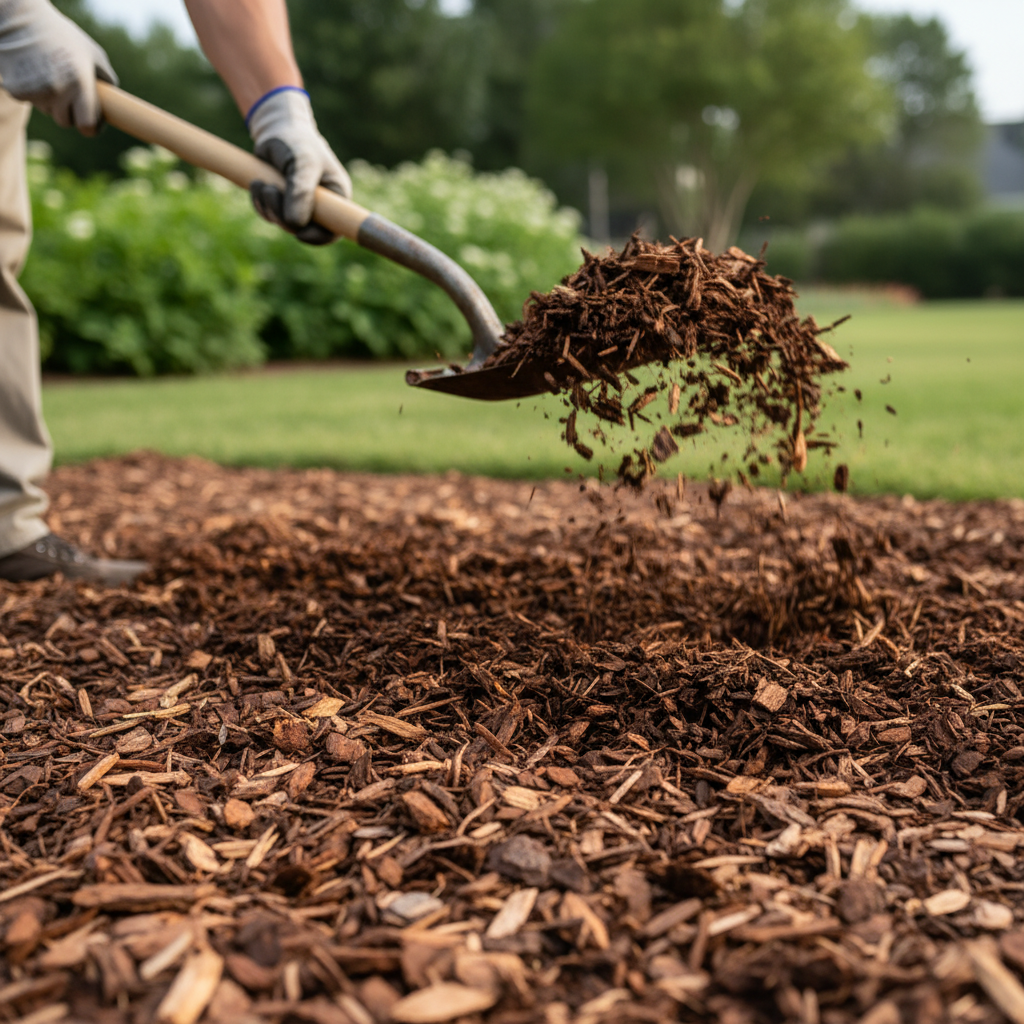
Mulching is a simple yet effective way to enhance your landscape. It helps retain moisture, suppress weeds, and regulate soil temperature. Apply a layer of mulch around trees, shrubs, and flower beds to give your garden a polished appearance while providing essential benefits to your plants.
Choose mulch that complements your landscape's style, whether it's natural wood chips, bark, or decorative stones. Be careful not to pile mulch too high against plant stems, as this can lead to rot.
By following these essential landscaping tips, you'll be well on your way to a beautiful and thriving property this spring. With a little preparation and attention to detail, your landscape will be the envy of the neighborhood.