
Landscape Architecture Trends: Innovations for Multifamily Living


Reimagining Outdoor Spaces
As urban living continues to evolve, landscape architecture plays a pivotal role in shaping the environments of multifamily residences. Today, the focus is on creating spaces that not only enhance the aesthetic appeal but also promote sustainability and community well-being. Developers and designers are embracing innovative trends to meet the demands of modern living.
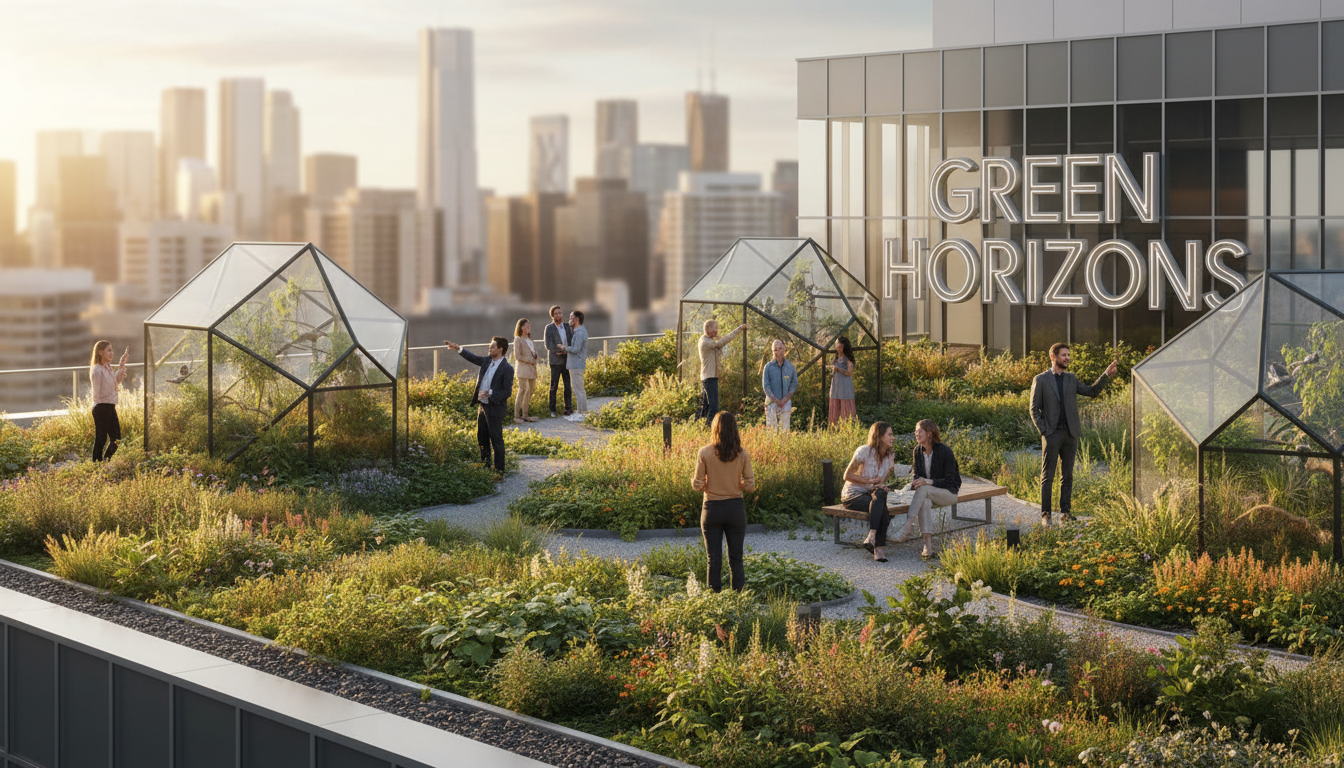
One of the most significant shifts is the integration of green infrastructure. This approach involves using natural systems to manage stormwater, reduce heat, and improve air quality. Features like green roofs and rain gardens are becoming essential elements in multifamily projects, offering both ecological and economic benefits.
Enhancing Community Interaction
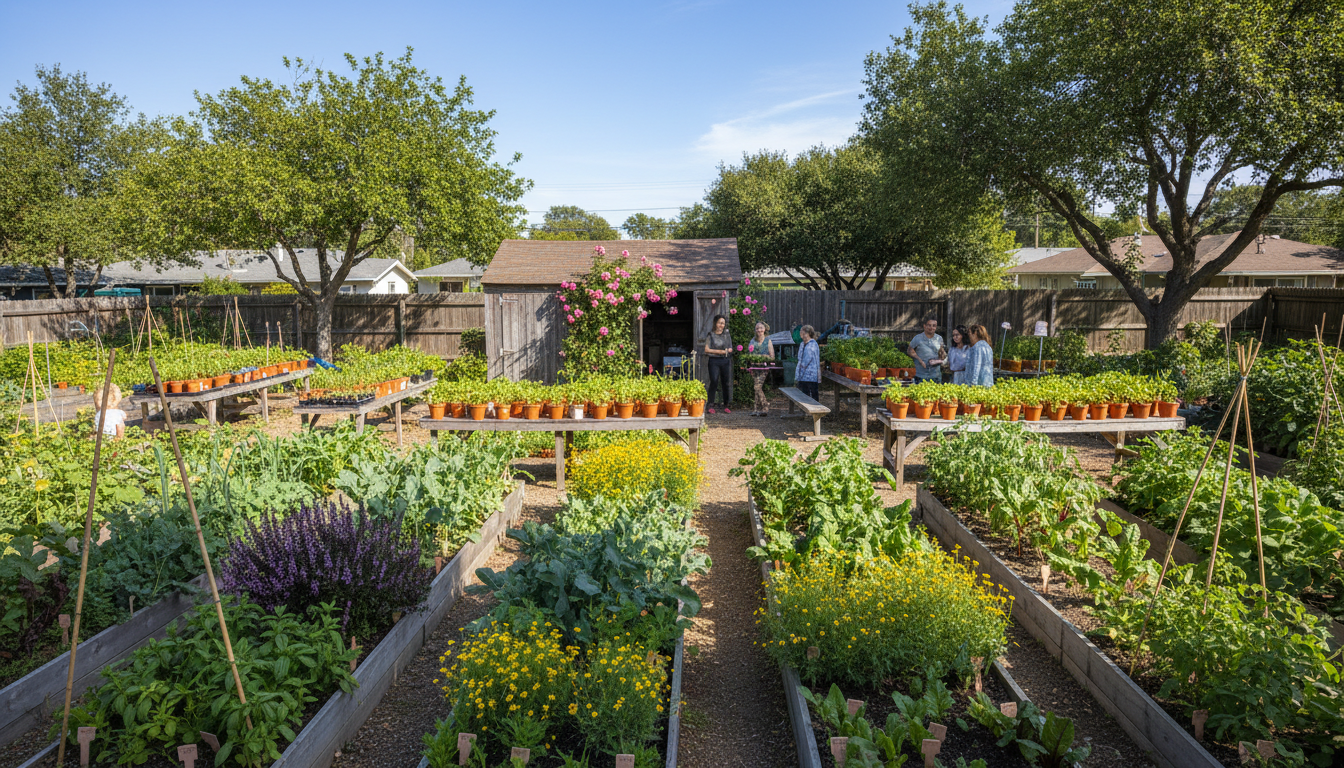
Modern landscape architecture aims to foster a sense of community among residents. By designing shared outdoor spaces, architects create opportunities for interaction and engagement. These spaces often include amenities such as outdoor kitchens, fire pits, and communal gardens.
Designers are also incorporating multifunctional spaces that cater to various activities. Flexible areas that can serve as yoga zones, play areas, or event spaces provide residents with diverse recreational options, enhancing their living experience.
Embracing Technology in Design
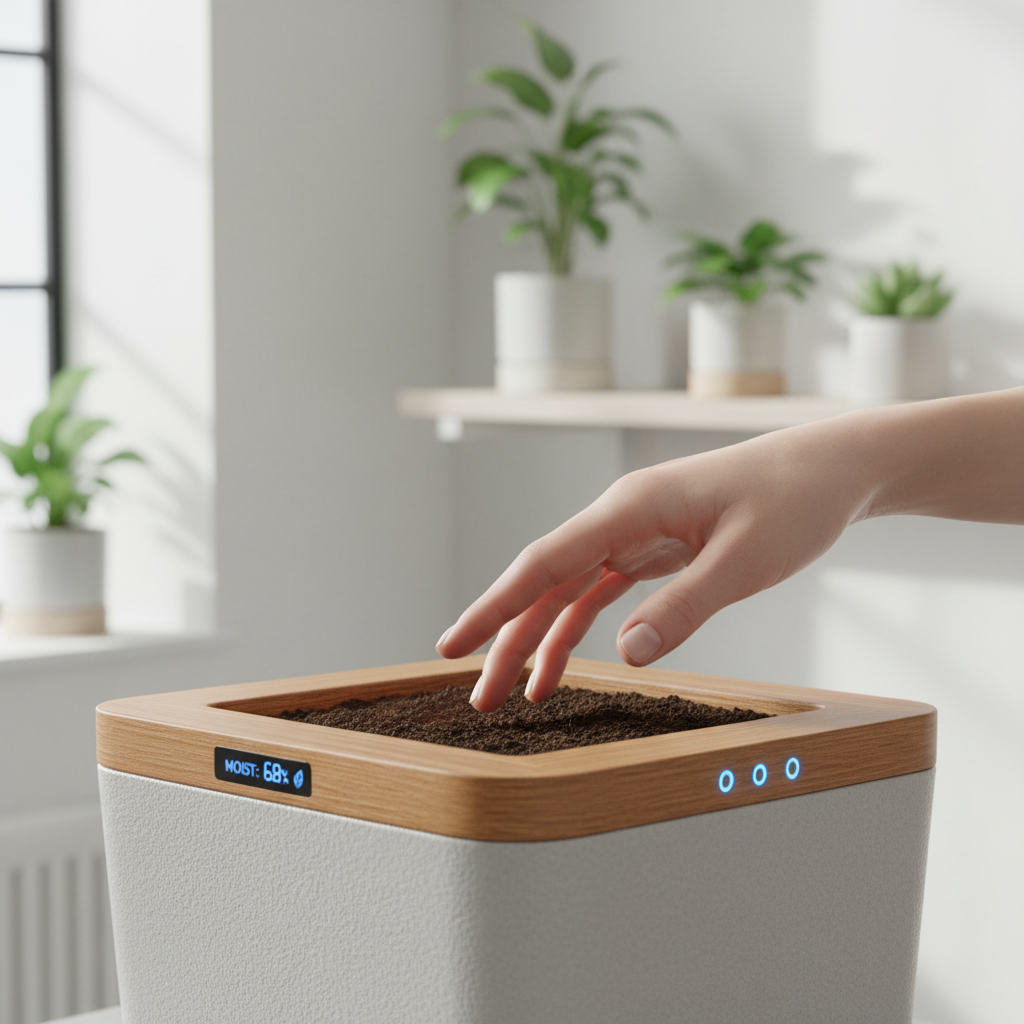
Technology is revolutionizing landscape architecture for multifamily living. Smart irrigation systems, for example, help in conserving water by adjusting based on weather conditions. Similarly, energy-efficient lighting enhances safety while reducing electricity consumption.
The use of virtual reality (VR) and augmented reality (AR) in design processes allows architects to visualize and refine outdoor spaces before construction, ensuring optimal functionality and aesthetics.
Sustainability and Native Plantings
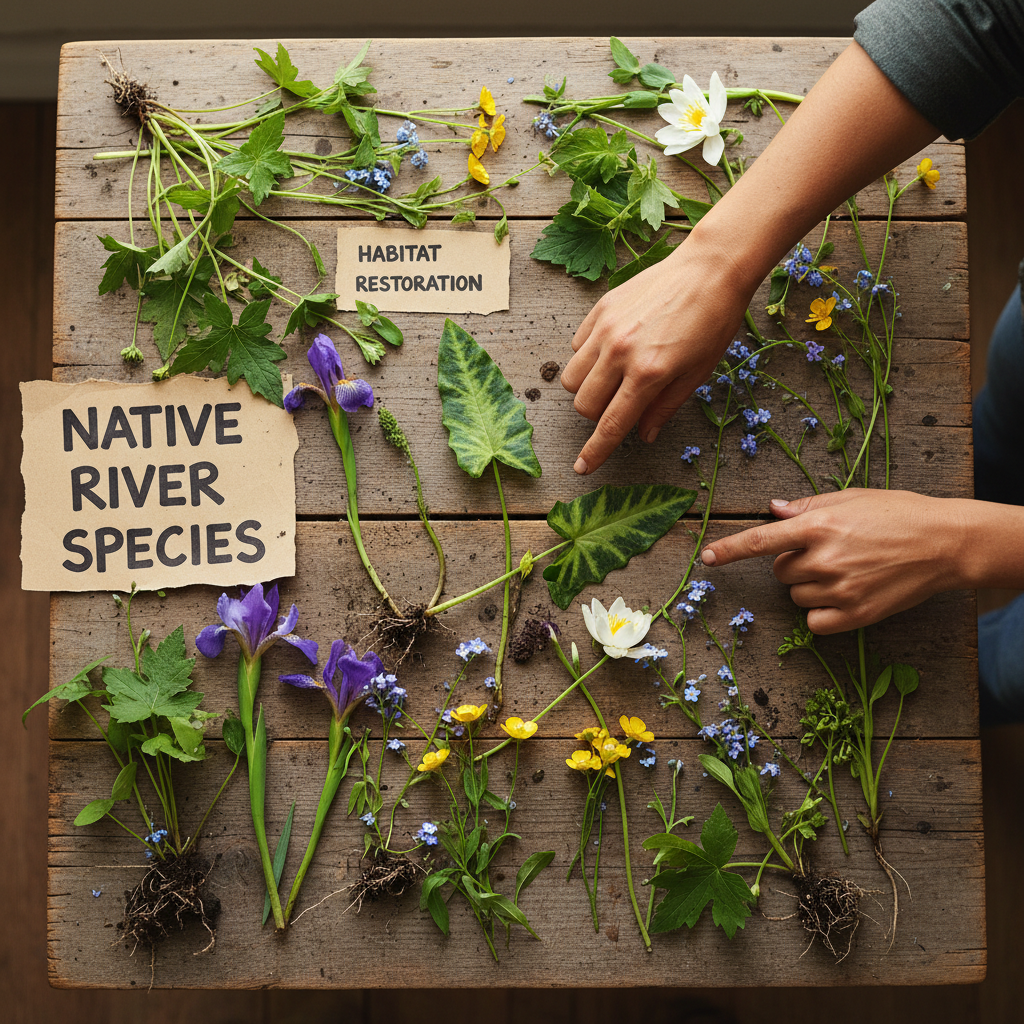
Using native plants is a trend that aligns with sustainability goals. These plants require less water and maintenance, making them ideal for multifamily landscapes. They also support local biodiversity by providing habitats for native wildlife.
Moreover, incorporating edible landscaping is gaining popularity. By planting fruit trees and vegetable gardens, residents can enjoy fresh produce, promoting a healthier lifestyle and reducing carbon footprints.
Accessibility and Inclusivity
Designing landscapes that are accessible to everyone is a growing priority. This includes creating pathways and spaces that accommodate people with disabilities, ensuring that all residents can enjoy outdoor amenities.
Inclusive design also considers the needs of diverse age groups. For instance, integrating features like playgrounds and seating areas that cater to both children and seniors fosters a more inclusive community environment.
Conclusion
Landscape architecture for multifamily living is constantly evolving, driven by trends that emphasize sustainability, community, and innovation. By embracing these trends, developers can create vibrant, functional, and inclusive spaces that enhance the quality of life for residents. As the industry continues to advance, the possibilities for multifamily landscapes are limitless, promising a future where urban living harmonizes with nature.