
The Benefits of Retaining Walls for Your Property: A Comprehensive Guide


Understanding the Purpose of Retaining Walls
Retaining walls are more than just decorative elements in landscaping. They play a crucial role in preventing soil erosion, managing water drainage, and creating usable land on sloped properties. By holding back soil, these structures allow property owners to maximize their space while ensuring stability and safety.
When properly constructed, retaining walls can transform a hilly or uneven yard into a series of functional, flat areas perfect for gardens, patios, or play areas. This transformation not only enhances aesthetics but also increases the property's value.
Enhancing Aesthetic Appeal
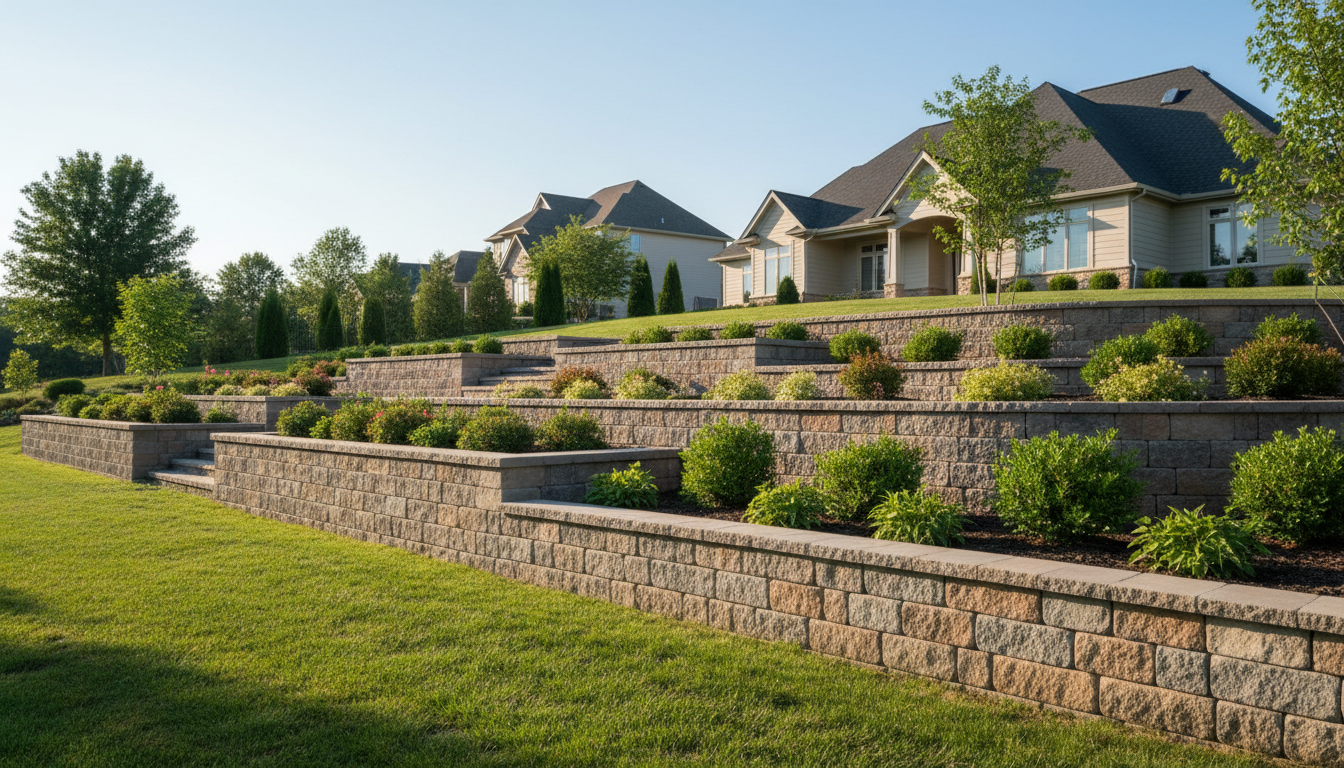
Retaining walls can significantly enhance the aesthetic appeal of your property. Available in a variety of materials such as stone, brick, or wood, they can be customized to complement the architectural style of your home. This versatility allows you to create a cohesive look that blends seamlessly with the surrounding landscape.
Beyond aesthetics, retaining walls can also serve as striking focal points in your garden or yard. By incorporating features like tiered gardens or integrated lighting, these structures can elevate the overall design and create a unique outdoor space.

Improving Land Usability
One of the primary benefits of retaining walls is their ability to improve land usability. By leveling sloped areas, they provide additional flat surfaces for a variety of purposes. Whether you want to install a swimming pool, build a deck, or create a play area, retaining walls can make these projects feasible.
Moreover, they are instrumental in creating terraces, which can be used for planting or as seating areas. This versatility makes retaining walls an excellent choice for both residential and commercial properties looking to maximize their outdoor space.

Preventing Soil Erosion
Soil erosion can be a significant issue for properties on sloped terrain. Retaining walls help prevent this by holding the soil in place, reducing the risk of landslides and other erosion-related problems. This stability is essential for maintaining the integrity of your landscape and protecting your property from potential damage.
By controlling erosion, retaining walls also help maintain the health of your garden and surrounding plant life. Properly managed soil ensures that plants receive the nutrients they need, promoting lush, vibrant growth.
Managing Water Drainage
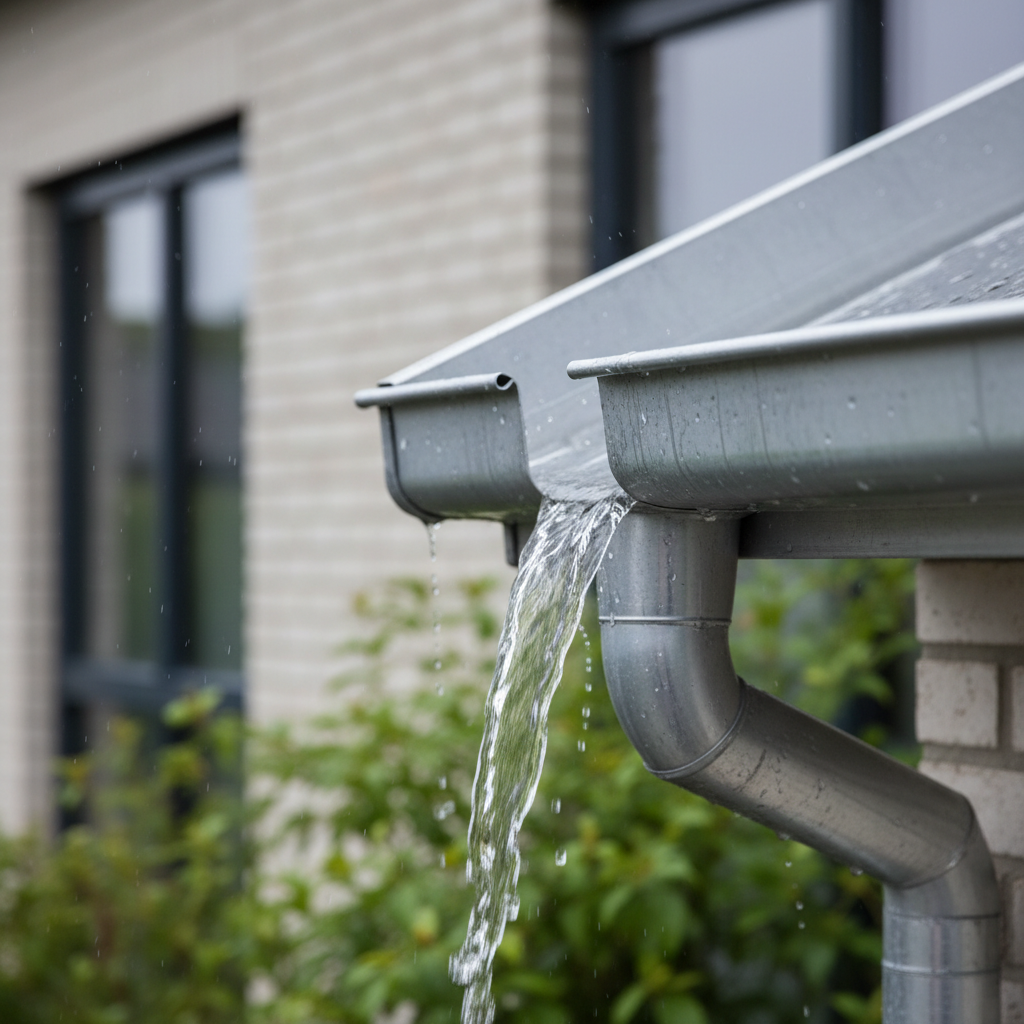
Water drainage is a critical aspect of landscape management, and retaining walls can play a vital role in this process. By directing water flow, they prevent pooling and flooding in unwanted areas, protecting both hardscapes and softscapes from water damage.
Incorporating drainage solutions such as weep holes or drainage pipes within the retaining wall design can further enhance their effectiveness. This proactive approach ensures your landscape remains beautiful and functional, even during heavy rains.
Increasing Property Value
Investing in retaining walls can increase the overall value of your property. By enhancing curb appeal and creating additional usable space, they make your property more attractive to potential buyers. A well-designed retaining wall can be a deciding factor for buyers looking for a functional and aesthetically pleasing outdoor area.
Furthermore, the structural benefits provided by retaining walls—such as erosion control and improved drainage—can appeal to buyers who prioritize stability and lower maintenance costs.

Low Maintenance and Longevity
Retaining walls are known for their low maintenance requirements and durability. Built from robust materials, they can withstand harsh weather conditions and require minimal upkeep. With occasional inspections and cleaning, these structures can last for decades, providing long-term benefits to property owners.
Choosing the right materials and design for your specific needs can enhance their lifespan and ensure they remain a valuable asset for years to come.