
The Ultimate Guide to Landscape Architecture for Multifamily Complexes


Understanding the Basics of Landscape Architecture
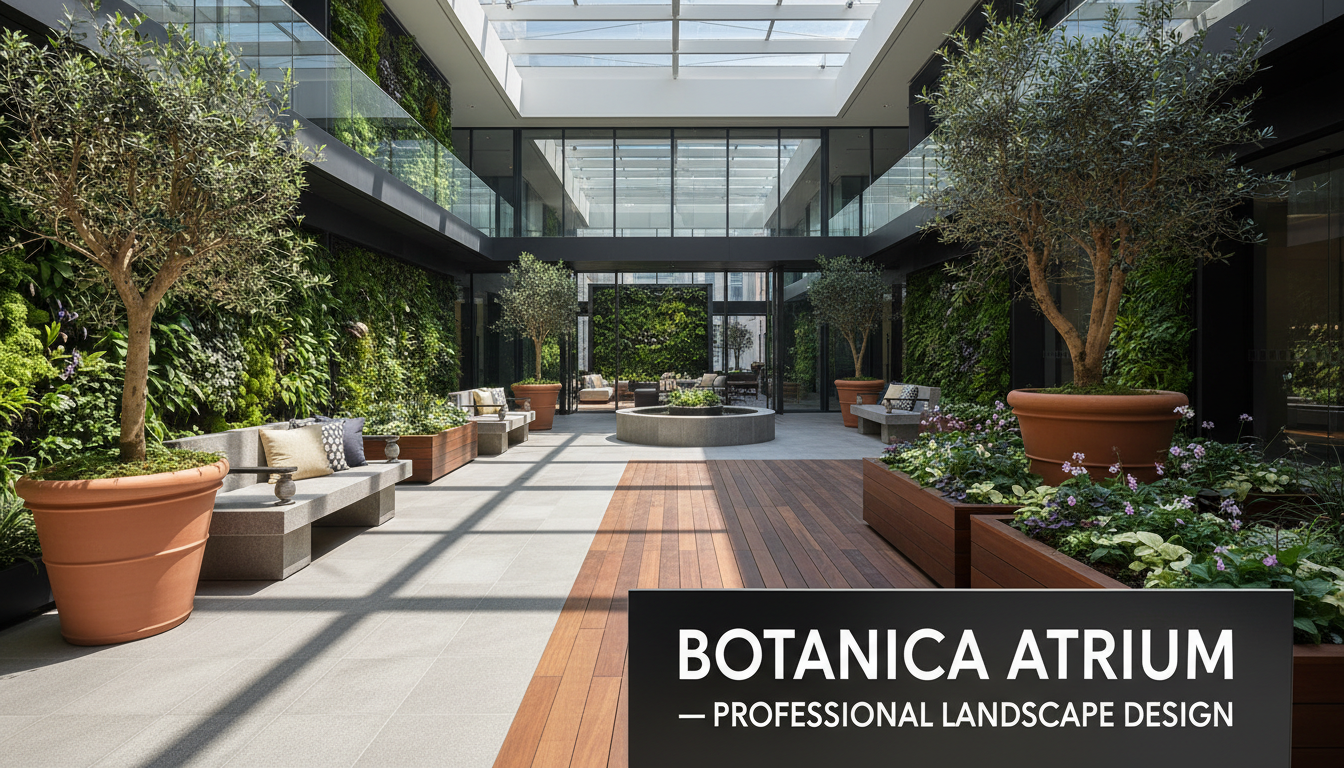
Landscape architecture is a vital component of designing multifamily complexes. It involves the strategic planning and designing of outdoor spaces to enhance functionality, aesthetics, and sustainability. By integrating natural elements with architectural structures, landscape architecture creates harmonious environments that cater to the needs of residents.
For multifamily complexes, landscape architecture goes beyond mere beautification. It plays a crucial role in improving the quality of life for residents by providing communal spaces, enhancing privacy, and promoting environmental sustainability.
Key Elements of Landscape Architecture for Multifamily Complexes
Site Analysis and Planning
Before diving into design, a thorough site analysis is essential. This involves evaluating the topography, climate, existing vegetation, and soil conditions. Understanding these elements allows architects to create designs that complement the natural landscape and address any challenges posed by the environment.
Sustainable Practices
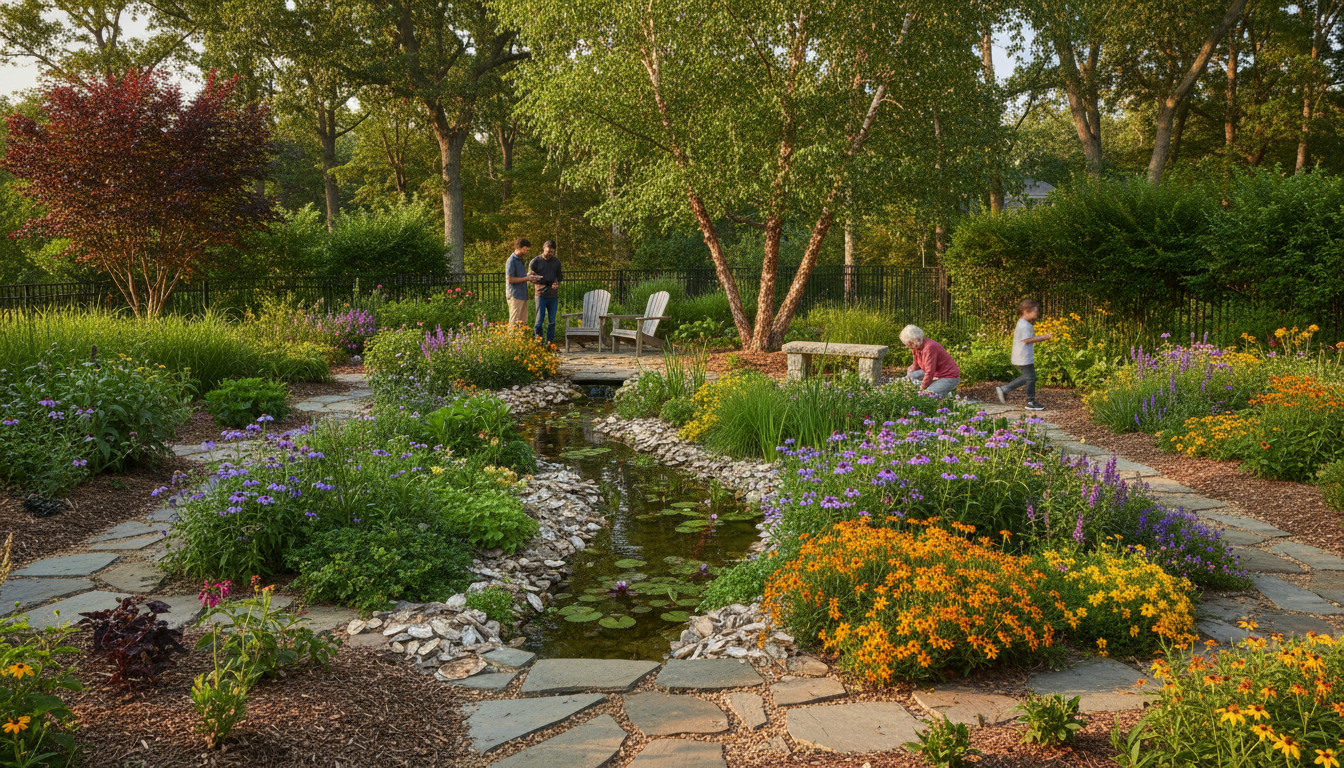
Incorporating sustainable practices is crucial in modern landscape architecture. This includes using native plants, creating rain gardens, and implementing efficient irrigation systems. By embracing sustainability, multifamily complexes can reduce their environmental footprint while providing residents with lush, green spaces.
Designing for Community Interaction
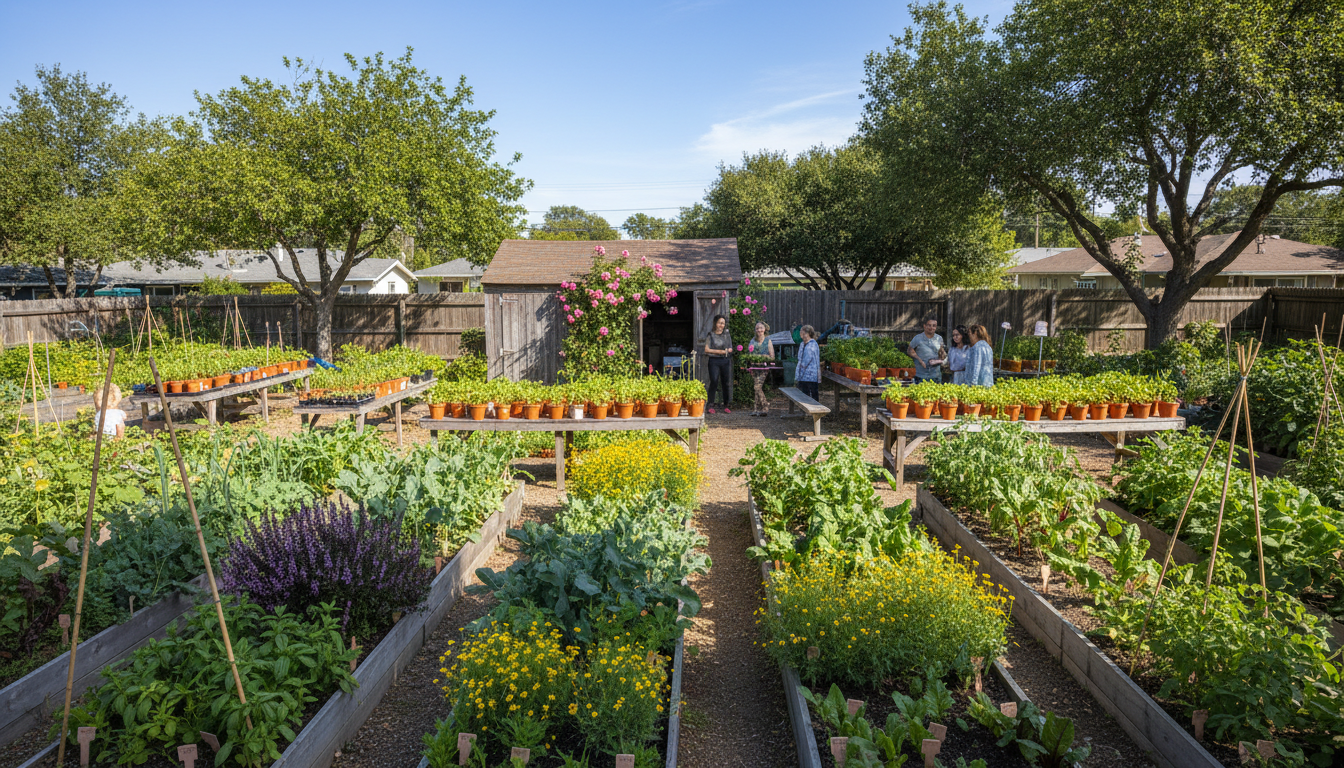
One of the primary goals of landscape architecture in multifamily complexes is to foster a sense of community. Well-designed outdoor spaces encourage interaction among residents, creating a more vibrant living environment. Features like shared gardens, playgrounds, and picnic areas can significantly enhance the communal experience.
In addition, incorporating walking paths and bike trails encourages physical activity and provides safe, scenic routes for residents to explore their surroundings.
Privacy and Personal Space
While community interaction is important, providing privacy is equally essential. Landscape architecture can create secluded areas using hedges, fences, or strategically placed trees. These elements help define personal spaces, allowing residents to enjoy solitude without feeling isolated.
Enhancing Aesthetics and Value
A well-designed landscape not only improves the visual appeal of a multifamily complex but also increases its market value. Thoughtful placement of plants, water features, and lighting can transform ordinary spaces into visually stunning environments. This aesthetic enhancement attracts potential residents and can justify higher rental prices.
Moreover, seasonal landscaping adjustments can keep the complex looking fresh and inviting year-round.
Implementing Technology in Landscape Architecture
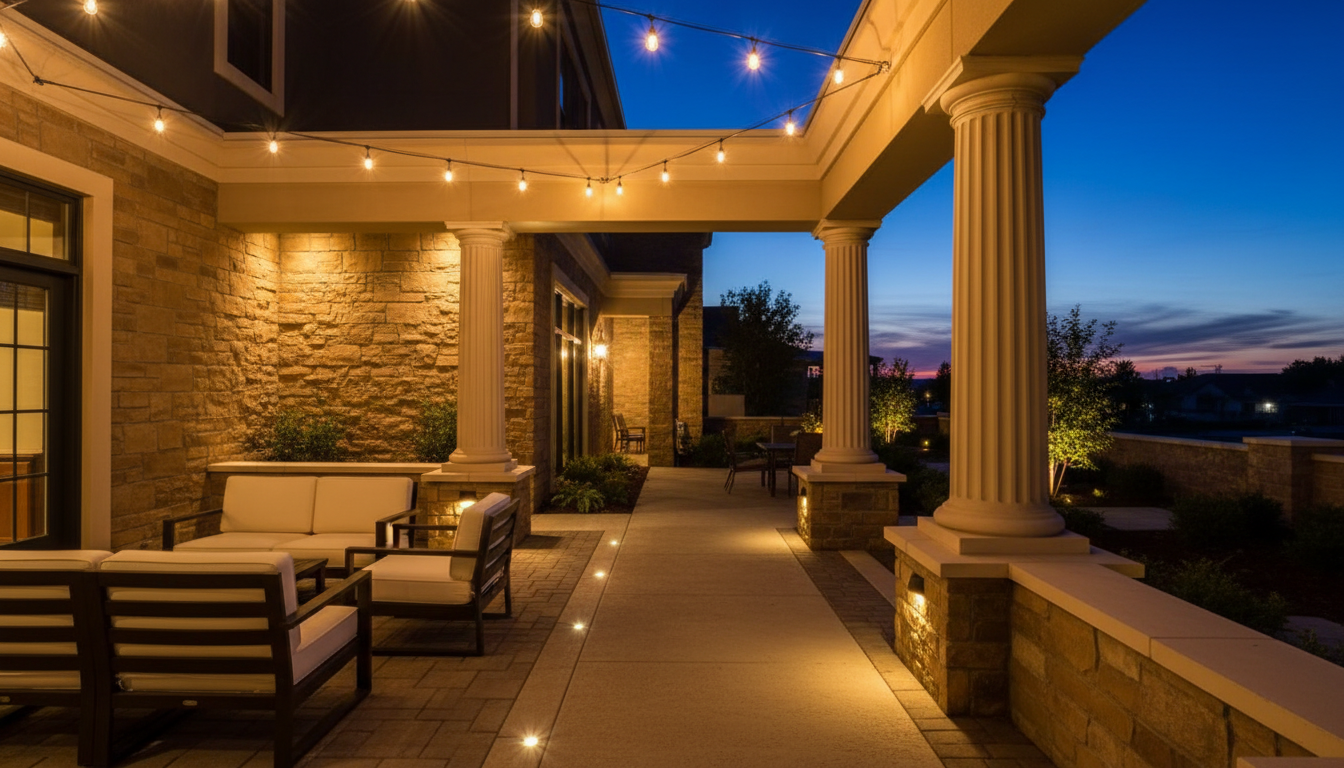
Integrating technology into landscape architecture can enhance maintenance and functionality. Smart irrigation systems, energy-efficient lighting, and automated maintenance tools can streamline operations and reduce costs. These innovations ensure that landscapes remain pristine with minimal manual intervention.
Conclusion
Landscape architecture for multifamily complexes is more than just planting trees and shrubs. It’s about creating sustainable, beautiful, and functional spaces that enhance the quality of life for residents. By focusing on community interaction, privacy, aesthetics, and technology, landscape architects can transform multifamily complexes into thriving, harmonious environments.